
What's Happening?
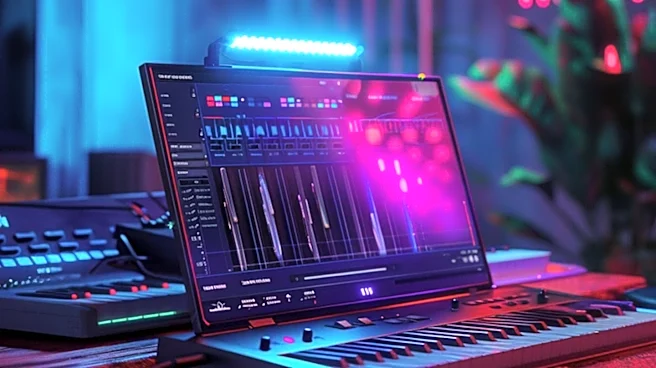
Content creators are increasingly relying on royalty-free music platforms to legally soundtrack their videos for platforms like YouTube and TikTok, avoiding copyright strikes and demonetization. Audiosocket
is highlighted as a top recommendation, offering over 40,000 royalty-free tracks with transparent licensing for various platforms at $9.99 per month. Other leading platforms include Epidemic Sound, favored by YouTubers for its trend-focused music, and Artlist, which caters to video professionals with bundled music, sound effects, and templates. Shutterstock Music offers a massive catalog for commercial and enterprise work, while Pond5 provides pay-per-track options for occasional creators. The consensus among experts is that using licensed, royalty-free music is a non-negotiable investment for creators in 2026, as unauthorized music remains a leading cause of copyright issues.
Why It's Important?
The shift towards mandatory licensed music is crucial for the sustainability and professionalism of content creation. For individual creators, it ensures their content remains monetized and accessible, protecting their income and brand reputation from copyright infringement penalties. For the broader digital media ecosystem, it promotes fair compensation for artists and rights holders, fostering a more ethical and sustainable creative economy. The availability of diverse royalty-free libraries empowers creators to enhance their content with high-quality audio without prohibitive costs or legal risks. This trend also signifies the maturation of the content creation industry, where legal compliance and professional standards are becoming as important as creative output, driving demand for reliable and affordable music licensing solutions.
What's Next?
The market for royalty-free music platforms is expected to continue growing and evolving, with platforms likely to expand their libraries, refine their search functionalities, and offer more tailored licensing options for specific creator needs. We may see increased integration of these platforms directly into video editing software or content management systems, streamlining the music selection and licensing process. As AI-generated music becomes more sophisticated, royalty-free platforms might also explore incorporating such options, while still prioritizing human-made music. Content creators will need to stay informed about licensing terms and best practices, as platforms continually update their offerings and as copyright laws adapt to the digital landscape. The emphasis on transparent and straightforward licensing will likely remain a key competitive differentiator for these services.
Beyond the Headlines
The reliance on royalty-free music platforms reflects a broader cultural and economic shift in how art is consumed and monetized in the digital age. It highlights the tension between the desire for free access to content and the need to compensate creators fairly. While royalty-free music offers a practical solution for content creators, it also raises questions about the long-term impact on the music industry, particularly for emerging artists who might rely on traditional royalty structures. The proliferation of these platforms could lead to a more standardized sound in certain content niches, as creators draw from similar libraries. However, it also democratizes access to high-quality music, enabling a wider range of voices to produce professional-grade content, ultimately enriching the digital media landscape with diverse narratives and creative expressions.