





What's Happening?
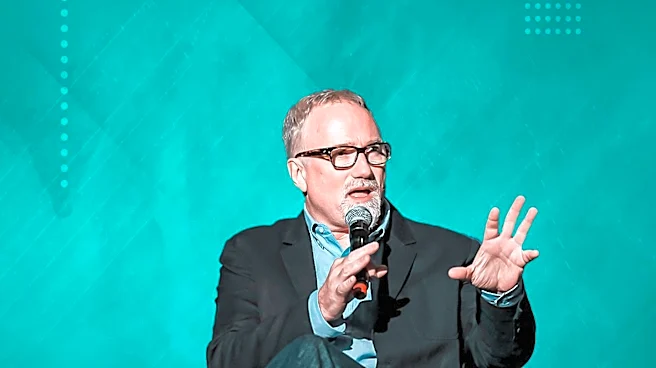
Director David Fincher has recently detailed his original pitch for 'Alien 3' on the 'Happy Sad Confused' podcast, a vision that successfully convinced Sigourney Weaver and producers David Giler and Walter Hill. Fincher's concept built upon the escalating
stakes of the previous films: 'Alien' involved going back for the cat, 'Aliens' for the child, and his 'Alien 3' proposed going back for 'the wretched.' This pitch envisioned the creature among prisoners in a location where no rescue would be sent, and the men, realizing their inevitable demise, would choose to take the creature with them. This compelling narrative secured Fincher his first feature film directing job. However, the final film, released in May 1992, deviated significantly from his initial pitch due to studio interference, a common issue Fincher described as 'a lot of rats in the water' when production becomes difficult.
Why It's Important?
David Fincher's revelation about his original 'Alien 3' pitch is significant for understanding the creative process behind major Hollywood franchises and the challenges directors face with studio control. It highlights how a compelling narrative concept can attract key talent like Sigourney Weaver, but also how studio pressures can alter or compromise a director's initial vision. For fans of the 'Alien' franchise, this insight offers a 'what if' scenario, revealing a potentially 'leaner and meaner' film that Fincher believes was a better idea. This situation underscores the ongoing tension between artistic integrity and commercial demands in filmmaking, where the final product may not always reflect the original creative intent. It also sheds light on the early career struggles of a now-acclaimed director.
What's Next?
While 'Alien 3' has long been released, Fincher's discussion could reignite conversations among fans and critics about the film's production history and its place within the franchise. It might also prompt renewed interest in director's cuts or alternative versions of films where creative visions were compromised. For Fincher, this disclosure further solidifies his reputation as a director with a strong, consistent artistic vision, even when faced with studio challenges. The ongoing dialogue about 'Alien 3' serves as a case study in film production, illustrating the complexities of bringing a major cinematic project to fruition and the lasting impact of creative decisions on a film's legacy.
Beyond the Headlines
Fincher's account of 'Alien 3' delves into the broader implications of creative control in the film industry. It raises questions about the balance of power between directors, producers, and studios, and how this dynamic ultimately shapes the cinematic experience for audiences. The idea of a film's 'true' version versus its released version is a recurring theme in film history, often leading to debates about artistic ownership and the integrity of storytelling. This particular instance, involving an iconic franchise and a renowned director, highlights how even established figures can face significant hurdles in realizing their artistic goals. It also speaks to the enduring appeal of 'what if' scenarios in popular culture, where alternative narratives continue to fascinate and engage audiences long after a film's initial release.