



What's Happening?
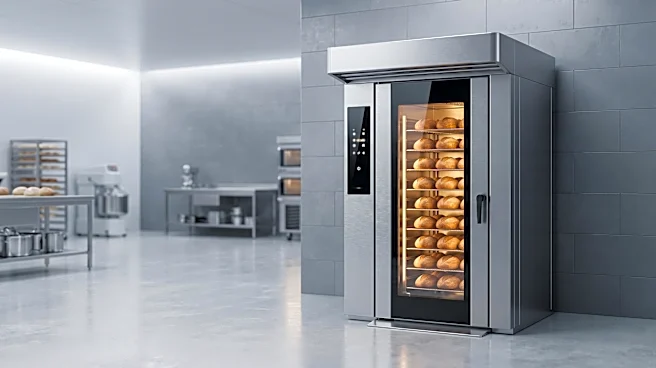
Bakeries frequently make costly mistakes in selecting commercial equipment, impacting their output, consistency, and overall profitability. Common errors include purchasing based solely on price, choosing the wrong oven type for specific products, and incorrectly
sizing mixers. These missteps can lead to uneven baking, increased energy consumption, frequent breakdowns, and inefficient production lines. For instance, a cheaper oven might save money upfront but cost more over its lifetime due to higher energy use or maintenance. Similarly, using an oven designed for artisan breads to bake delicate pastries can compromise product quality. Empire Bakery Equipment, with nearly five decades of experience, highlights these issues, emphasizing that the right equipment is a significant, yet crucial, investment for any bakery, from small shops to wholesale producers. The company advises that careful planning and understanding of specific needs are essential to avoid these pitfalls and ensure long-term success.
Why It's Important?
The strategic selection of bakery equipment is paramount for the U.S. food industry, directly influencing operational costs, product quality, and market competitiveness. Inefficient equipment choices can lead to substantial financial losses through increased utility bills, higher maintenance expenses, and wasted product due to inconsistent results. For businesses, this translates to reduced profit margins and potential damage to brand reputation. For consumers, it can mean a decline in the quality and availability of baked goods. The U.S. bakery market, which includes a wide range of establishments from local bakeries to large-scale industrial producers, relies heavily on specialized machinery. Mistakes in equipment procurement can create bottlenecks in production, leading to idle staff and over-proofed dough, thereby hindering a bakery's ability to meet demand and expand. Proper equipment investment, conversely, can enhance efficiency, improve product consistency, and support business growth, ultimately benefiting both the bakery owners and the broader economy.
What's Next?
To mitigate these common and costly errors, bakeries are advised to adopt a more strategic approach to equipment procurement. This includes thoroughly assessing their menu and volume goals before purchasing ovens, ensuring mixers are sized correctly for specific dough types and production volumes, and planning equipment to function as a cohesive production line. Furthermore, bakeries must consider utility and space requirements, confirming gas, electrical, and ventilation needs before equipment delivery to avoid unexpected installation costs and project delays. Planning for future growth is also crucial, meaning bakeries should invest in equipment that can scale with their business rather than buying solely for current needs. Implementing a rigorous preventive maintenance schedule will also be vital to extend equipment lifespan and prevent costly breakdowns. Industry experts and equipment suppliers are expected to continue offering guidance and specialized solutions to help bakeries make informed decisions, ensuring long-term operational efficiency and profitability.
Beyond the Headlines
Beyond the immediate financial implications, the careful selection of bakery equipment touches upon broader themes of sustainability, innovation, and workforce development within the U.S. food sector. Investing in energy-efficient machinery can reduce a bakery's carbon footprint, aligning with growing consumer demand for environmentally responsible businesses. The adoption of advanced equipment can also foster innovation in product development, allowing bakeries to create new and diverse offerings that cater to evolving tastes and dietary preferences. Moreover, the proper functioning and maintenance of equipment require a skilled workforce, highlighting the importance of training and education for bakers and technicians. The long-term success of bakeries, therefore, is not just about individual purchases but about creating a resilient and adaptable operational framework that can respond to market changes, technological advancements, and environmental considerations. This holistic approach ensures that bakeries remain vital contributors to local economies and communities.