




What's Happening?
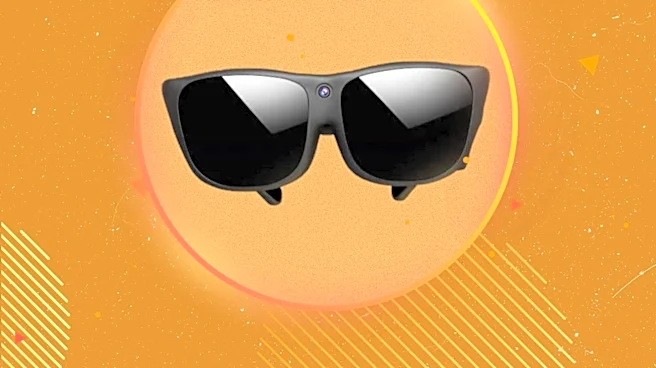
Halliday has introduced its second-generation smart glasses, featuring significant improvements over its predecessor. The Gen 2 smart glasses replace the previous model's finicky display with more traditional waveguides, offering a larger and clearer
screen for each eye. The displays are monochrome green with a brightness of 1,600 nits and a resolution of 600 by 300 pixels per eye. The glasses are designed for work meetings, incorporating AI features like Meeting Flow, Thread Tracker, and Decision Confirmation to enhance productivity. They also support real-time translations, phone calls, and voice control through the Halliday AI assistant. The Gen 2 smart glasses are available for preorder with a $10 deposit and a $100 discount, shipping in September.
Why It's Important?
The launch of Halliday's Gen 2 smart glasses highlights the growing interest in wearable technology that integrates AI to improve productivity and communication. By focusing on work-related features, Halliday aims to carve out a niche in the smart glasses market, appealing to professionals who require hands-free access to information during meetings. The inclusion of AI-driven features like Meeting Flow and real-time translations could set a new standard for smart glasses, potentially influencing other manufacturers to incorporate similar capabilities. As the market for smart glasses expands, Halliday's success could encourage further innovation and competition in the industry.
What's Next?
Halliday will focus on marketing its Gen 2 smart glasses to professionals and businesses, emphasizing the productivity benefits of its AI features. The company may also explore partnerships with software developers to expand the functionality of its smart glasses. As the product gains traction, Halliday could face competition from other tech companies developing similar devices. The success of the Gen 2 smart glasses will depend on their ability to meet user needs and deliver on the promise of enhanced productivity. Additionally, the broader adoption of smart glasses could lead to new applications and use cases, further driving demand and innovation in the industry.