








What's Happening?
Sustainable garden design for small backyards focuses on creating eco-friendly outdoor spaces that efficiently use resources. This approach integrates native plants, compost-rich soil, efficient irrigation, and reused materials to support local wildlife.
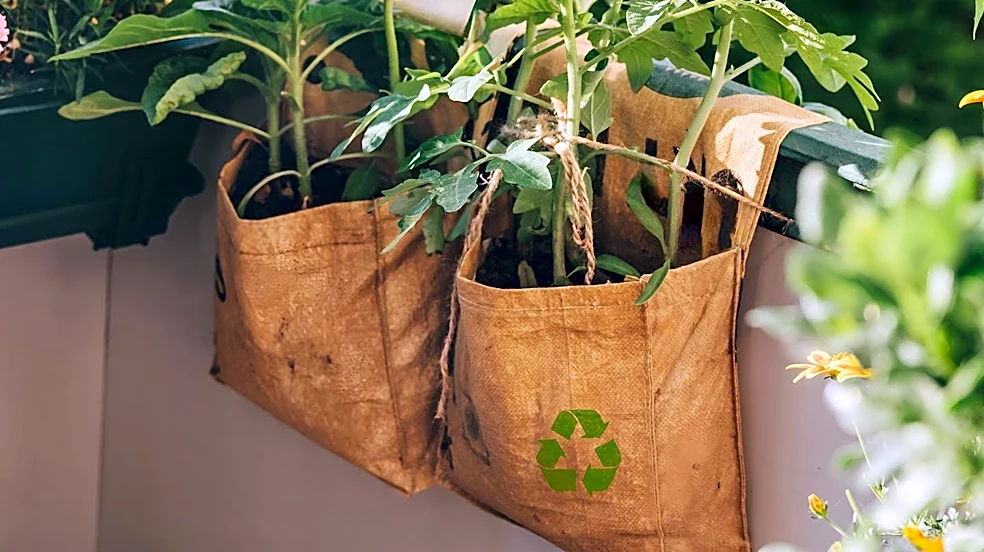
Key recommendations include maximizing space with vertical gardening, selecting plants suited to local climate and soil, and incorporating recycled materials for planters and features. Water conservation is a critical element, achieved by grouping plants with similar water needs, using mulch to reduce evaporation, and installing efficient irrigation systems. Composting organic waste is also encouraged to enrich soil and reduce the need for external amendments. The goal is to create a functional, attractive, and environmentally responsible garden without extensive landscaping or constant maintenance, making the most of limited space while reducing waste and supporting biodiversity.
Why It's Important?
The emphasis on sustainable garden design for small backyards is important for promoting environmental stewardship and resource efficiency within urban and suburban settings. By encouraging the use of native plants, these designs help preserve local ecosystems and provide habitats for pollinators and beneficial insects, which are crucial for biodiversity. Water conservation techniques, such as efficient irrigation and mulching, address concerns about water scarcity and reduce household water consumption. The reuse of materials minimizes waste and promotes a circular economy, lessening the demand for new products. This movement also empowers individuals to create green spaces that contribute to local environmental health, offering a practical way for homeowners to reduce their ecological footprint and foster a connection with nature, even in compact areas.
What's Next?
The trend towards sustainable garden design is likely to continue growing, with increased adoption of eco-friendly practices in residential landscaping. Homeowners may seek more guidance on implementing vertical gardens, selecting drought-tolerant native plants, and setting up small-scale composting systems. Local nurseries and gardening centers could expand their offerings of native plant species and sustainable gardening supplies. Educational workshops and community initiatives promoting sustainable landscaping techniques are also expected to become more prevalent, further empowering individuals to transform their small outdoor spaces into environmentally beneficial areas. This shift could lead to a broader integration of ecological principles into urban planning and residential development, fostering greener and more resilient communities.
Beyond the Headlines
Beyond the immediate benefits of creating attractive and eco-friendly backyards, the widespread adoption of sustainable garden design could have deeper implications for urban ecology and community resilience. These small-scale efforts collectively contribute to the creation of urban green corridors, which can help mitigate the urban heat island effect, improve air quality, and support migratory bird populations. Ethically, it promotes a more responsible relationship with nature, encouraging individuals to view their private spaces as part of a larger ecological network. Legally, there might be future incentives or regulations encouraging sustainable landscaping practices, such as water-wise gardening or the use of native species. Culturally, it could foster a greater appreciation for biodiversity and local ecosystems, shifting aesthetic preferences towards more natural and functional landscapes rather than purely ornamental ones.