







What's Happening?
The Women's National Basketball Association (WNBA) is experiencing a surge in popularity, with increased attendance, television ratings, and corporate sponsorships. This growth has brought to light ongoing discussions about race, gender, and respect within
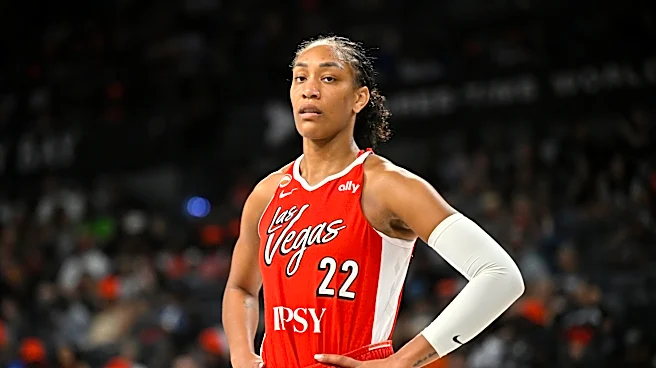
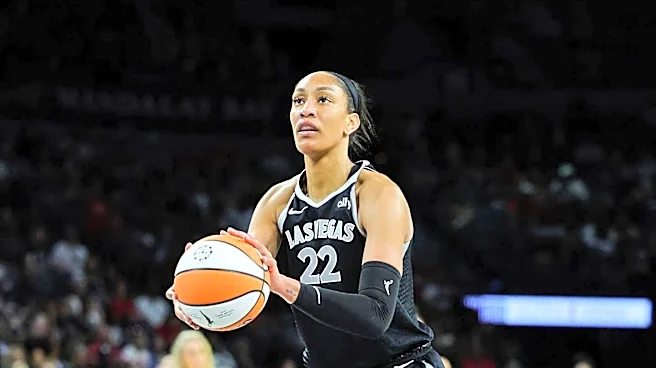
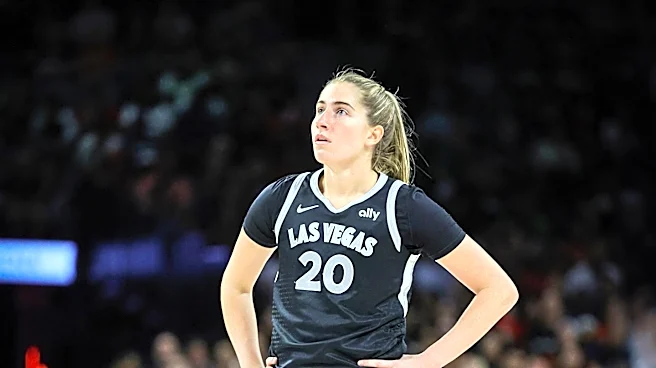
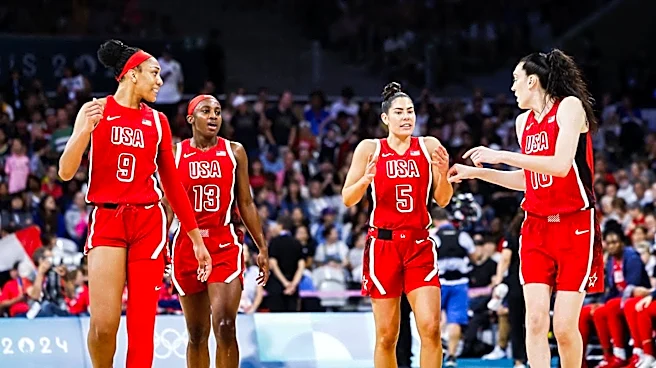
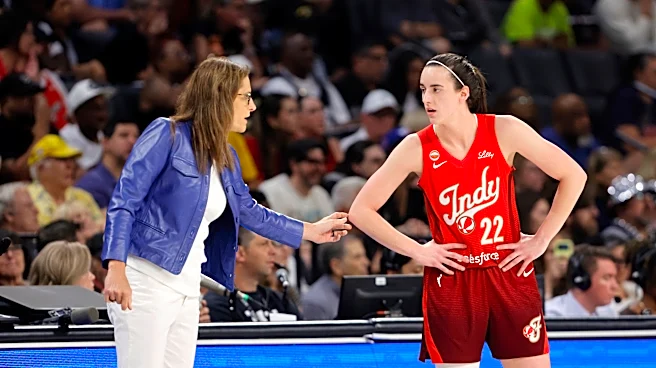
the league. A'ja Wilson, a star player for the Las Vegas Aces, has voiced concerns over the online racism directed at WNBA players, prompting the league to investigate and address these issues. Concurrently, NBA legend Kareem Abdul-Jabbar has sparked debate by questioning the narrative that Caitlin Clark is the 'face of the WNBA,' suggesting that this overlooks the contributions of veteran players like Wilson, Breanna Stewart, and others. These discussions highlight the complexities of media narratives and the historical contributions of past players to the league's current success.
Why It's Important?
The WNBA's growing popularity is significant as it reflects broader societal shifts towards recognizing and valuing women's sports. However, the accompanying discussions about race and gender underscore persistent challenges in achieving equity and respect for female athletes. The league's response to online abuse and the debate over player recognition are crucial in shaping its future narrative and ensuring that all players receive the respect they deserve. This situation also highlights the importance of acknowledging the historical contributions of past players, which is essential for fostering a more inclusive and respectful sports culture. The outcome of these discussions could influence public perception and the league's approach to diversity and inclusion.
What's Next?
As the WNBA continues to grow, it is likely to face increased scrutiny and expectations. The league may need to implement more robust measures to combat online abuse and ensure player safety, including potential investments in full-time officiating and expanded training. Additionally, the ongoing debate about player recognition may prompt the league to develop strategies that honor both current and past players, balancing the celebration of new talent with respect for historical contributions. Stakeholders, including players, fans, and sponsors, will play a critical role in shaping these developments and ensuring that the league's growth is sustainable and inclusive.
Beyond the Headlines
The discussions surrounding the WNBA's growth and the recognition of its players have deeper implications for societal attitudes towards race and gender in sports. These conversations reflect broader cultural dynamics and the need for ongoing dialogue about equity and representation. The league's handling of these issues could set a precedent for other sports organizations and influence how they address similar challenges. Additionally, the emphasis on historical contributions highlights the importance of preserving and honoring the legacy of past athletes, which can inspire future generations and promote a more comprehensive understanding of sports history.