




What's Happening?
RV road trips are gaining traction as a preferred way to explore the U.S., offering unparalleled flexibility and the chance to immerse oneself in diverse landscapes. Popular routes include the Western National Parks Loop (Utah + Arizona), featuring iconic
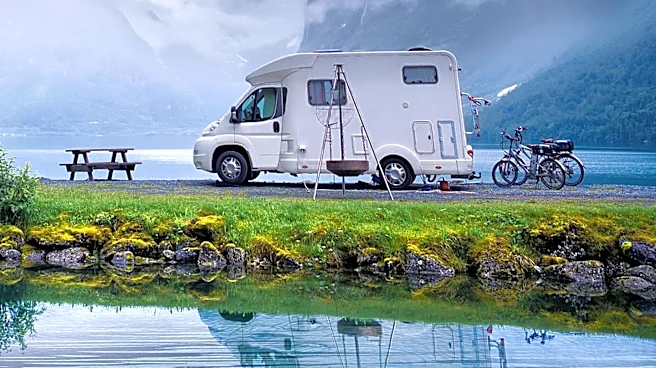
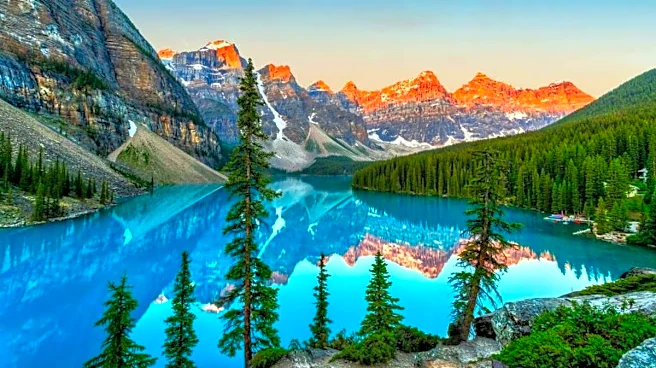
parks like Zion, Bryce Canyon, Arches, and Grand Canyon. The Pacific Coast Highway in California provides a lifestyle route with ocean views and coastal hikes. The Northern Rockies National Parks Loop (Wyoming + Montana) highlights Glacier, Yellowstone, and Grand Teton National Parks, known for wildlife and dramatic scenery. The Blue Ridge Parkway and Great Smoky Mountains offer slower, quieter drives through mountain overlooks and small towns. The Great Lakes Loop presents an underrated coastal experience with waterfront campsites and charming towns. These trips emphasize slowing down, staying longer at stops, and adapting plans based on weather or spontaneity, with RVs providing the necessary amenities for comfortable, extended stays.
Why It's Important?
The growing popularity of RV road trips has significant implications for the tourism and outdoor recreation industries. It drives demand for RV sales and rentals, campground services, and related accessories, contributing to economic growth. For national and state parks, RV travel increases visitation, which can lead to greater funding and support for conservation efforts, though it also necessitates careful management of resources and visitor impact. The flexibility of RV travel allows for more dispersed tourism, benefiting smaller communities and businesses along less-traveled routes. This trend also promotes a deeper connection with nature and outdoor activities, aligning with broader public health and wellness goals. The ability to stay off-grid with features like integrated batteries and solar power in modern RVs also reduces reliance on traditional infrastructure, offering a more self-sufficient travel experience.
What's Next?
As RV travel continues to grow, there will likely be increased investment in RV-friendly infrastructure, including more campgrounds, improved hookup facilities, and expanded services in national parks and public lands. The development of advanced RV technology, such as enhanced off-grid capabilities and more compact designs, will cater to evolving traveler preferences. Educational resources for first-time RVers, covering topics like towing, camp setup, and etiquette, will become more prevalent. There will also be a continued focus on promoting responsible travel practices, including Leave No Trace principles, to mitigate environmental impact. Booking popular parks and campgrounds well in advance will remain crucial, and travelers will increasingly utilize resources like BLM (Bureau of Land Management) land and dispersed camping options for greater flexibility and privacy.
Beyond the Headlines
RV road trips represent more than just a mode of travel; they embody a lifestyle choice centered on freedom, self-reliance, and a profound connection to the natural world. This trend reflects a societal desire to escape the confines of conventional tourism and embrace a more adventurous, unscripted journey. Ethically, it raises questions about balancing increased access to natural areas with the imperative of environmental preservation, necessitating careful planning and adherence to sustainable practices. The experience of waking up in incredible places and adapting to changing conditions can foster resilience and a deeper appreciation for the environment. Furthermore, RV travel often creates a unique community among travelers, sharing tips and experiences on the road. This form of exploration encourages a slower pace of life, allowing for introspection and a more intimate engagement with the diverse landscapes of the U.S.