





What's Happening?
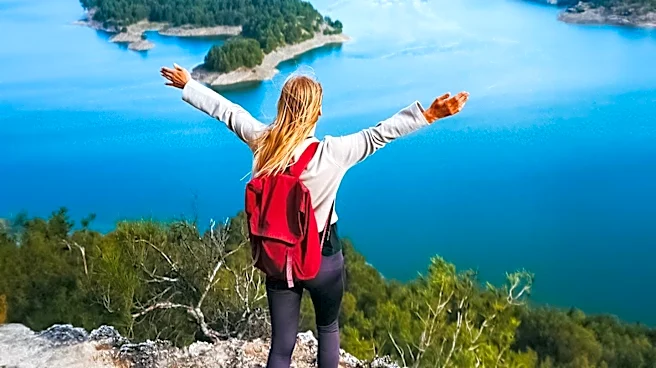
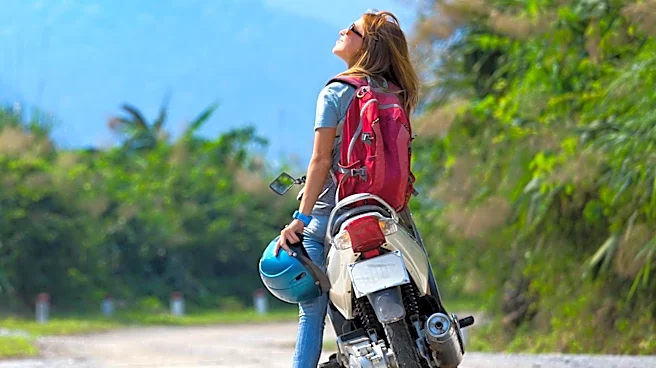
For solo female travelers seeking tropical destinations, Central America is presented as a more advantageous choice compared to the Caribbean. While the Caribbean offers luxurious, relaxing beach vacations with widely spoken English and established tourism
infrastructure, it tends to cater more to group travel and higher budgets. Many Caribbean islands lack a strong backpacking or hostel culture, which can lead to isolation and increased costs for solo travelers. In contrast, Central America provides a greater variety of activities, cultures, and more affordable accommodations. The region is noted for its vibrant backpacking scene, numerous hostels, and opportunities for solo travelers to connect with others. Destinations like Panama, Mexico, Guatemala, Nicaragua, and Costa Rica offer diverse experiences from pristine beaches and Mayan pyramids to volcano hikes and rainforest exploration. Travel within Central America is also generally more affordable and easier due to shared borders and accessible bus transport.
Why It's Important?
This comparison is significant for the travel industry and solo female travelers, particularly those in the U.S., as it highlights differing value propositions between two popular regional destinations. For budget-conscious solo travelers, Central America's affordability and established solo travel infrastructure make it a more accessible option, potentially driving tourism to these countries. The emphasis on community and connection in Central America addresses a common concern for solo travelers regarding isolation. Conversely, the Caribbean's focus on group and luxury travel may limit its appeal to this growing demographic, potentially impacting its tourism market share among solo adventurers. The advice also underscores the importance of safety considerations, encouraging travelers to research and plan carefully, which can influence travel insurance markets and destination marketing strategies.
What's Next?
As solo travel continues to grow, particularly among women, destinations in Central America may see an increase in tourism as they are highlighted for their affordability and solo-friendly environments. Travel agencies and tour operators might adapt their offerings to cater more specifically to this demographic in Central America, developing more solo-focused itineraries and accommodations. Conversely, Caribbean destinations might need to re-evaluate their tourism strategies to attract solo travelers, potentially by developing more hostel options, promoting solo-friendly activities, or adjusting pricing structures. Travelers will likely continue to prioritize safety, leading to increased demand for resources and tips on secure solo travel, influencing content creation by travel bloggers and safety organizations.
Beyond the Headlines
The preference for Central America over the Caribbean for solo female travelers reflects broader trends in tourism, where experiential and authentic travel often takes precedence over traditional resort-based vacations. This shift indicates a growing desire among travelers for deeper cultural immersion, adventure, and opportunities for social connection, rather than just relaxation. It also highlights the economic empowerment of solo female travelers, who are increasingly seeking destinations that offer value without compromising on safety or experience. The discussion implicitly touches upon the socio-economic impact of tourism, as destinations that foster a strong backpacking culture often support local businesses and provide more diverse employment opportunities compared to all-inclusive resort models. This trend could encourage more sustainable and community-focused tourism development in regions vying for the solo traveler market.