



What's Happening?
The Fairmont New Orleans has officially opened its doors on November 2, 2026, signifying Fairmont Hotels & Resorts' return to the city after a 20-year hiatus. This opening also marks a significant milestone for the Accor brand, as it becomes Fairmont's
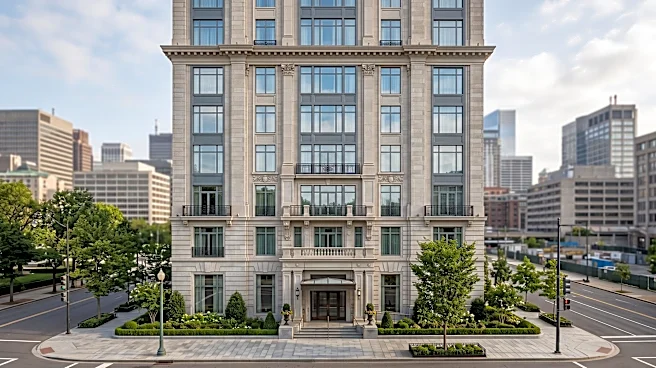
100th hotel globally and its 19th in the U.S. Developed by Kailas Cos. and operated by Fairmont, the 250-room hotel occupies 17 floors of the former Bank of New Orleans building. The redevelopment preserved historical elements of the 1970 tower, with interiors designed by Rockwell Group. The hotel features over 19,000 square feet of meeting space, two restaurants developed with Chef Emeril Lagasse, and upcoming amenities like a bistro, a late-night cocktail bar, a rooftop pool, and a 10,000-square-foot spa and fitness center.
Why It's Important?
The reopening of the Fairmont New Orleans is a significant event for the city's hospitality and tourism sectors. It brings a luxury brand back to a key U.S. market, potentially attracting high-end travelers and boosting local economic activity through job creation and increased visitor spending. For Fairmont, reaching 100 hotels worldwide underscores its global expansion and brand strength. The involvement of local developer Kailas Cos. and renowned Chef Emeril Lagasse highlights a commitment to integrating local expertise and culinary excellence, which can enhance the hotel's appeal and contribute to New Orleans' reputation as a premier destination. This investment reflects confidence in the city's tourism rebound and its capacity to support luxury accommodations.
What's Next?
Following its opening, the Fairmont New Orleans will continue to roll out additional amenities, with Bleu Perdu, a bistro, and Third Measure, a late-night cocktail bar, scheduled to open in early December. The rooftop pool and terrace, along with the Fairmont Gold private lounge on the 29th and 30th floors, and the 10,000-square-foot spa and fitness center, are also slated for early December openings. The hotel will focus on establishing itself as a premier destination for both leisure and business travelers, leveraging its extensive meeting spaces and culinary offerings. Its success will be closely watched as an indicator of the broader recovery and growth of New Orleans' tourism industry.
Beyond the Headlines
The return of a luxury brand like Fairmont to New Orleans after two decades can symbolize a broader revitalization and economic confidence in the city. It suggests a long-term investment perspective, moving beyond immediate post-pandemic recovery. The preservation of the former Bank of New Orleans building's historical elements in the redevelopment also speaks to a growing trend of adaptive reuse in urban development, blending historical architecture with modern luxury. This approach not only maintains the city's unique character but also offers a sustainable model for urban growth. The integration of local culinary figures like Chef Emeril Lagasse further emphasizes the importance of authentic local experiences in the luxury hospitality market.