





What's Happening?
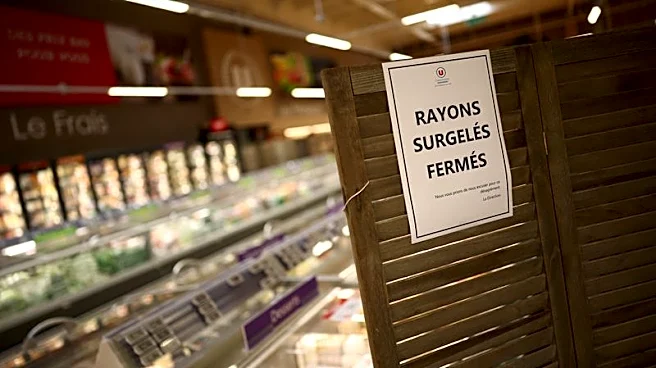
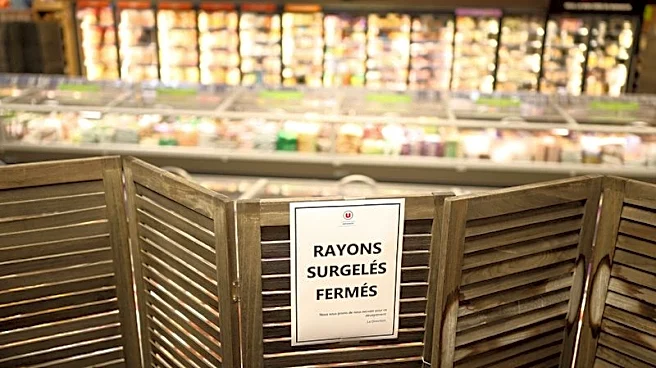
French supermarkets have been advised by the French Computer Emergency Response Team (CERT-FR) to disconnect internet-connected refrigeration control systems with public IP addresses following a cyberattack. This attack resulted in the spoilage of chilled
food stocks at hundreds of supermarkets over the weekend. CERT-FR recommended reconnecting these systems only via a secure VPN after verifying their configuration and, if necessary, restoring factory defaults. As an emergency measure, supermarkets could filter connections to allow only the IP addresses of their refrigeration suppliers or service providers, though this is not a long-term solution. The incident highlights the vulnerability of internet-of-things (IoT) devices in critical infrastructure to cyber threats.
Why It's Important?
This incident in France serves as a critical warning for U.S. businesses, particularly those in the retail and food supply sectors, regarding the cybersecurity risks associated with smart devices. The reliance on internet-connected systems for operational efficiency, such as refrigeration, can expose companies to significant financial losses due to spoiled inventory and operational disruptions. For U.S. supermarkets and supply chains, this event underscores the urgent need to review and strengthen their cybersecurity protocols for IoT devices. A similar attack in the U.S. could lead to widespread food shortages, economic losses for businesses, and potential public health concerns if food safety is compromised. It also emphasizes the broader implications for critical infrastructure, where interconnected systems could be targeted, affecting various industries and consumer confidence.
What's Next?
U.S. businesses, especially those utilizing smart refrigeration or other IoT devices in their operations, are likely to face increased pressure to enhance their cybersecurity measures. This could involve implementing more robust network segmentation, mandating the use of secure VPNs for remote access, and regularly auditing device configurations. Cybersecurity agencies in the U.S. may issue similar advisories or guidelines to prevent such incidents domestically. Manufacturers of smart commercial appliances might also see a demand for more secure-by-design products and clearer instructions for secure deployment. The incident could also spur greater investment in cybersecurity training for IT staff and operational teams to better identify and mitigate potential vulnerabilities.
Beyond the Headlines
The French cyberattack on smart fridges reveals a deeper vulnerability in the expanding landscape of the Internet of Things (IoT). As more devices become interconnected, the attack surface for cybercriminals grows exponentially, moving beyond traditional IT systems to operational technology (OT). This blurs the lines between IT and OT security, posing new challenges for risk management and incident response. The ethical dimension arises from the potential for such attacks to impact public welfare, as food spoilage directly affects consumers and can lead to health risks. Long-term, this incident could accelerate the development of industry-specific cybersecurity standards for IoT devices in critical sectors, pushing for greater accountability from device manufacturers and service providers to ensure the resilience of interconnected systems against sophisticated cyber threats.