






What's Happening?
Several international locations are actively developing infrastructure and visa programs to attract digital nomads. Funchal, Madeira, for instance, has established itself as a pioneer with robust digital nomad infrastructure, including high-speed fiber
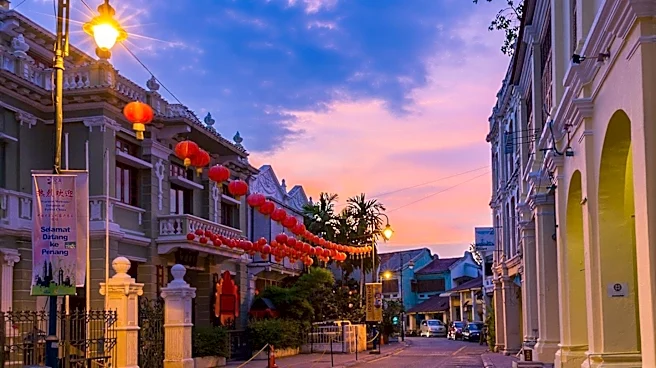
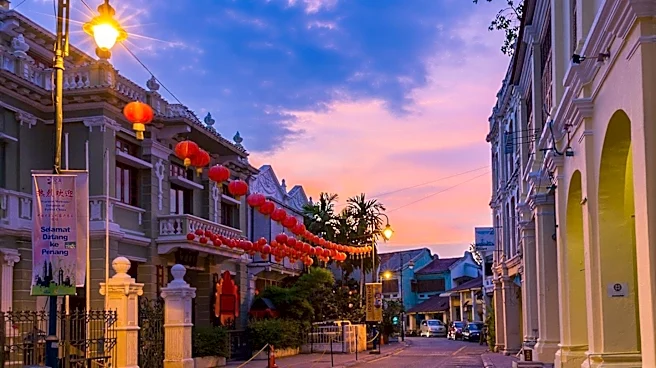
internet (300-600 Mbps) and the Digital Nomad Village in Ponta do Sol, launched in 2021. Other destinations like Las Palmas (Gran Canaria), Pipa (Brazil), Tarifa (Spain), Taghazout (Morocco), Playa del Carmen (Mexico), Canggu (Bali), Penang (Malaysia), Split (Croatia), and Ericeira (Portugal) are also highlighted for their suitability for remote workers. These locations offer reliable internet, affordable living costs, and vibrant local communities and food scenes. Many countries, including Spain, Portugal, Croatia, Indonesia, Malaysia, Mexico, and Brazil, have introduced specific digital nomad visas with varying income requirements, typically ranging from €2,000 to €3,000 per month, to facilitate longer stays for remote professionals.
Why It's Important?
The growing trend of digital nomadism is influencing global economies and local development, particularly in tourism-dependent regions. By offering specialized visas and improving digital infrastructure, these countries are tapping into a new segment of high-earning, remote professionals. This influx can stimulate local economies through increased spending on housing, food, and services, and potentially foster innovation and cultural exchange. For U.S. remote workers, these developments offer expanded opportunities for international living and working, potentially leading to a higher quality of life or lower cost of living compared to many U.S. cities. The competition among destinations to attract digital nomads also drives improvements in internet connectivity and co-working spaces, benefiting both visitors and local populations. However, it also raises questions about the impact on local housing markets and the integration of transient populations into established communities.
What's Next?
The landscape for digital nomads is expected to continue evolving with more countries likely to introduce or refine their digital nomad visa programs and infrastructure. As remote work becomes a more permanent fixture in the global economy, destinations will increasingly compete to offer attractive packages, including tax incentives and community-building initiatives. Digital nomads will need to stay informed about changing visa requirements and tax implications, which are subject to frequent updates. The emphasis will remain on reliable internet, affordable living, and a supportive community, pushing destinations to continuously improve these aspects. The long-term impact on local economies and cultures will also be a key area of observation, as host countries balance economic benefits with social and environmental sustainability.
Beyond the Headlines
The rise of digital nomadism presents deeper implications beyond economic benefits. It challenges traditional notions of work, residency, and citizenship, prompting legal and ethical considerations regarding taxation, social security, and access to public services for individuals who may not be permanent residents. The phenomenon also highlights global disparities in digital infrastructure and living costs, potentially exacerbating gentrification in popular nomad hubs. Culturally, the integration of diverse remote worker communities into local societies can lead to both enrichment and friction, necessitating thoughtful urban planning and community engagement strategies. The environmental footprint of increased international travel by digital nomads is another growing concern, pushing for more sustainable travel and living practices within this community.