








What's Happening?
The market for vegan convenience foods is expanding, offering a variety of plant-based options for consumers. Examples include vegan chicken marsala, made with seitan and mushrooms, and creamy vegan tomato soup, which uses cashews for richness. Additionally,
a range of vegan pecan recipes, such as chocolate pecan fudge bars and pecan paht pie, are available, showcasing the versatility of plant-based ingredients for both everyday meals and indulgent treats. These products aim to provide familiar flavors and textures without animal products, catering to a growing demand for plant-based diets. The availability of these items in grocery stores and through delivery services highlights their increasing accessibility.
Why It's Important?
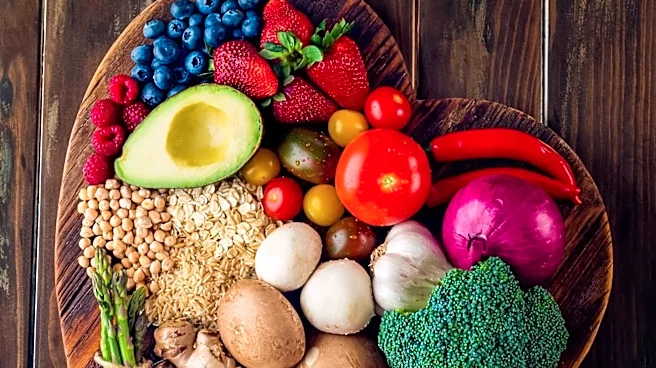
The rise of vegan convenience foods signifies a significant shift in the U.S. food industry, reflecting evolving consumer preferences towards plant-based diets. This trend impacts food manufacturers, retailers, and the broader agricultural sector, as demand for plant-based ingredients and products increases. While offering convenience and ethical choices, a dietitian cautions against an over-reliance on ultra-processed plant-based foods. These products can contribute to excessive sodium intake and may lack sufficient fiber, potentially undermining the health benefits often associated with veganism. This highlights a critical challenge for the industry: balancing convenience and taste with nutritional integrity. Consumers, therefore, need to be discerning about their choices, prioritizing whole, less processed plant-based foods like legumes, tofu, and plant-based milks, which are often more budget-friendly and nutritionally superior.
What's Next?
The vegan convenience food market is likely to continue its expansion, with ongoing innovation in product development to address both taste and nutritional concerns. Manufacturers may focus on reducing sodium content and increasing fiber in their offerings, potentially through the incorporation of more whole food ingredients. There could also be a greater emphasis on educating consumers about making healthier choices within the vegan convenience food category, encouraging a balanced approach that includes fresh produce and minimally processed plant-based staples. Retailers may expand their selections of both processed and whole vegan options to meet diverse consumer needs. Additionally, as the market matures, there may be increased scrutiny from health organizations and dietary experts regarding the nutritional profiles of these products, potentially leading to new labeling standards or dietary guidelines.
Beyond the Headlines
The growth of vegan convenience foods extends beyond mere dietary choices, touching upon broader ethical, environmental, and economic implications. Ethically, these products offer alternatives that reduce animal suffering and contribute to more sustainable food systems by lowering the environmental footprint associated with animal agriculture. Economically, the plant-based food sector is a rapidly growing market, attracting significant investment and fostering innovation, which could lead to job creation and new economic opportunities. Culturally, the mainstreaming of vegan convenience foods challenges traditional perceptions of meals and dietary norms, making plant-based eating more accessible and socially acceptable. However, the reliance on highly processed options also raises questions about the long-term health impacts of such diets and the potential for a 'greenwashing' effect, where products are marketed as healthy or sustainable without necessarily delivering on those promises. This necessitates a critical examination of the entire supply chain and the nutritional science behind these emerging food trends.