




What's Happening?
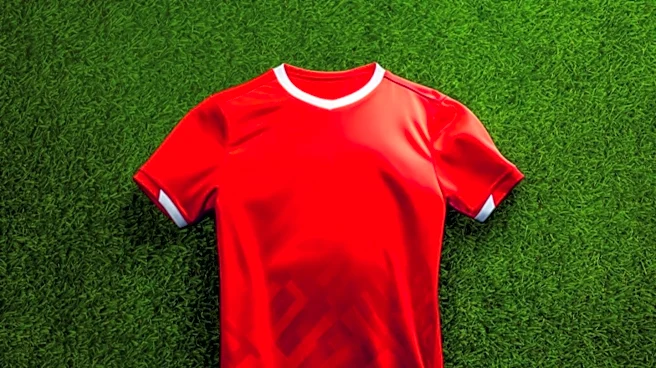
Jersey fabrics continue to be a highly versatile and popular choice in the textile industry, widely used for a broad range of apparel and creative sewing projects. Known for their flexibility, comfort, and knitted structure, jersey materials are suitable
for items such as T-shirts, dresses, sportswear, baby clothing, and home textiles. The category encompasses various types, including single jersey cotton, stretch cotton, viscose jersey, synthetic jersey, and mesh fabric, each offering distinct properties and applications. Cotton and viscose-based jerseys provide a soft feel and comfortable wear, while synthetic variants offer enhanced durability, quick-drying properties, and better shape retention. Their ease of handling also makes them suitable for both beginner and professional sewers.
Why It's Important?
The enduring popularity and versatility of jersey fabrics are significant for the U.S. apparel and textile market. This widespread use impacts manufacturing processes, design trends, and consumer choices. For U.S. clothing brands, the availability of diverse jersey types allows for innovation in product development, catering to various market segments from casual wear to activewear and even specialized technical apparel. The comfort and flexibility of jersey fabrics align with contemporary consumer preferences for practical and comfortable clothing. Furthermore, the ease of sewing makes jersey a staple for the growing DIY and home crafting communities in the U.S., supporting a broader ecosystem of fabric retailers and educational resources.
What's Next?
The demand for jersey fabrics is expected to remain strong due to their inherent versatility and comfort. Future developments may focus on enhancing the sustainable aspects of jersey production, such as the use of organic cotton, recycled synthetic fibers, or more eco-friendly dyeing processes, to align with growing environmental consciousness. Innovations in fiber blends could also lead to new jersey types with improved performance characteristics, such as advanced moisture-wicking for sportswear or enhanced thermal regulation for seasonal apparel. The continued evolution of digital printing technologies may also offer more diverse and customizable design options for jersey fabrics, further expanding their application in fashion and home decor.
Beyond the Headlines
The ubiquitous nature of jersey fabric in everyday wear often masks its complex role in the textile industry. Its adaptability has allowed it to transcend fashion trends, becoming a foundational material for comfort and utility. The different types of jersey—from natural cotton to synthetic blends—reflect the industry's ongoing efforts to balance natural fiber benefits with performance enhancements. This material also plays a crucial role in the accessibility of garment creation, empowering individuals through home sewing and small-scale production. The continuous innovation within jersey fabric technology, driven by both consumer demand and environmental concerns, highlights the dynamic interplay between material science, fashion, and sustainability in the broader U.S. economy.