





What's Happening?
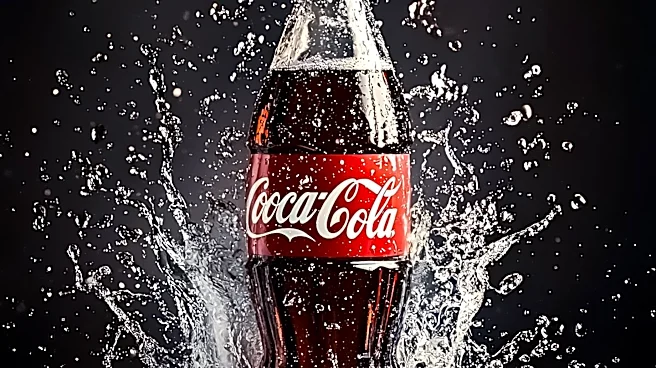
Coca-Cola is actively developing new beverage customization options and advanced dispenser technologies in its secretive innovation labs. The company is working on integrating 'dirty soda' capabilities into its Freestyle dispensers, which combine soda with
flavored syrups and cream. In partnership with AMC Theatres, Coca-Cola is also testing Micro Matic dispensers for refreshers. Additionally, the company is developing white-label beverage options, including a colorless, unflavored energy drink that can be customized. These innovations aim to cater to a growing consumer preference for handcrafted and personalized drinks, particularly among Generation Z, who are willing to pay more for unique beverage experiences. The Freestyle dispenser, celebrating its 17th anniversary, continues to provide valuable real-time data on trending drinks, informing Coca-Cola's product development and market strategies. The company is also exploring a smaller Freestyle Mini for venues with limited space and prototyping a dairy module for automated dirty soda creation.
Why It's Important?
This strategic shift by Coca-Cola is crucial for maintaining its market leadership and adapting to changing consumer behaviors in the U.S. beverage industry. As consumers, especially younger demographics like Gen Z, increasingly seek personalized and 'craveable' drink options, Coca-Cola's investment in customizable beverages and advanced dispensing technology positions it to capture a significant share of this evolving market. The focus on handcrafted drinks like dirty sodas and refreshers, which offer higher profit margins for food service operators, can boost sales for both Coca-Cola and its partners. The expansion into the energy drink category, projected to have the highest growth in the next decade, is particularly significant, as it allows Coca-Cola to tap into a segment that has seen a shift in perception from a simple pick-me-up to a part of workout routines. By offering lower-caffeine energy drink options, Coca-Cola is also addressing potential liability concerns associated with high-caffeine beverages, as seen with Panera Bread's 'Charged Lemonade' lawsuits.
What's Next?
Coca-Cola plans to launch its colorless, unflavored energy drink with food service operators in the first half of 2027. The company will continue to leverage data from its Freestyle dispensers to identify new drink trends and inform future product launches, potentially bringing successful food service innovations to grocery store shelves. The Freestyle Mini, already launched in Europe, may eventually be introduced to the U.S. market for bars and restaurants with limited space. Coca-Cola's ongoing collaboration with customers like Whataburger on custom beverage lines, such as 'Whatafreshers,' indicates a continued focus on co-creation and tailored solutions for its partners. The company will also likely continue to refine its definition and offerings within the 'refresher' category, aiming to establish its mark in this growing segment with 'healthier' and visually appealing options that provide a non-coffee caffeine boost.
Beyond the Headlines
Coca-Cola's innovation strategy reflects a broader cultural shift in how consumers view and interact with beverages. The emphasis on customization and 'handcrafted' experiences transforms soda from a mass-market commodity into a personalized treat, aligning with a generation that scrutinizes the perceived benefits and costs of everything they consume. This move also highlights the increasing importance of visual appeal in beverages, driven by social media platforms like Instagram and TikTok, where unique drinks become shareable content. The company's approach to energy drinks, offering a lower-caffeine, customizable option, suggests a nuanced understanding of consumer health concerns and a proactive step to mitigate potential legal risks associated with high-stimulant products. Furthermore, Coca-Cola's 'white-label' strategy, where its products are sold under different brand names, demonstrates a sophisticated approach to market penetration and brand flexibility, allowing it to cater to diverse customer needs without always foregrounding its own brand identity.