





What's Happening?
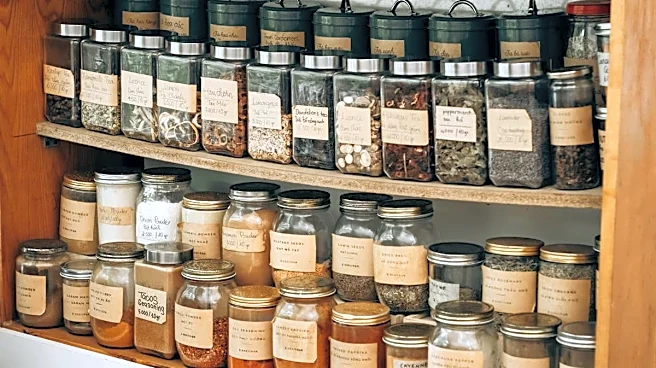
The Commonwealth of Pennsylvania's Department of Agriculture (PDA) has provided guidelines for applying for or renewing a Limited Food Establishment Registration. This registration is required for individuals operating residential-style kitchens to prepare
non-hazardous foods that do not require refrigeration after preparation. These operations typically include home-based businesses producing items like baked goods without cream fillings, jams, jellies, candies, and certain snack mixes. Foods requiring refrigeration or hot holding, such as shellfish, are explicitly not permitted. The registration process involves routine inspections by the PDA and requires a fee. Sales direct from the production site, including internet sales, are covered, but selling across state lines may necessitate FDA registration, and a Retail Food Facility License might be required for sales at events or farmer's markets.
Why It's Important?
This registration process is crucial for ensuring public health and safety by regulating the production of food from home-based kitchens. It provides a framework for oversight, ensuring that even small-scale, home-based food businesses adhere to specific safety standards, particularly concerning non-potentially hazardous foods. For entrepreneurs, understanding and complying with these requirements is vital for legal operation, building consumer trust, and avoiding potential penalties. The clear distinction between permitted and non-permitted food types helps home-based producers focus on safe products. Furthermore, the mention of FDA registration for interstate sales and Retail Food Facility Licenses for market sales highlights the complexities of scaling a home-based food business and the need for comprehensive regulatory compliance.
What's Next?
Home-based food entrepreneurs in Pennsylvania must familiarize themselves with the PDA's application packet for complete requirements and ensure their operations comply with all outlined standards. This includes preparing for routine inspections and understanding the fee structure for initial registration and renewals. Those planning to expand their sales beyond state lines or into public markets will need to investigate additional federal and local licensing requirements. The PDA's guidelines serve as a foundational step for legal and safe operation, and ongoing adherence to these regulations will be necessary for the continued success and growth of home-based food establishments in the state.
Beyond the Headlines
The Pennsylvania Department of Agriculture's detailed guidelines for home-based food establishments reflect a broader trend of increasing regulation and formalization of micro-enterprises, particularly in the food sector. This move acknowledges the growing number of individuals producing food from their homes while simultaneously addressing the inherent public health concerns. It highlights the evolving landscape of entrepreneurship, where traditional regulatory frameworks are adapting to accommodate new business models. The emphasis on 'non-potentially hazardous foods' also points to a risk-based approach to regulation, allowing for more accessible entry points for small businesses while maintaining critical safety standards. This balance between fostering entrepreneurship and protecting consumers is a key challenge for policymakers in the age of home-based and cottage industries.