


What's Happening?
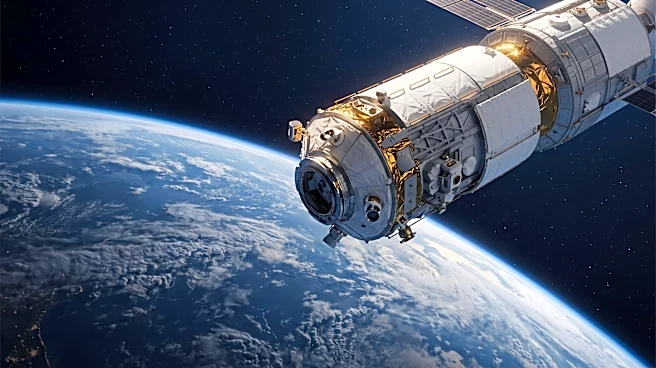
Axiom Space, a company focused on building the world's first commercial space station, Axiom Station, is actively seeking a Software Safety Engineer. This role is critical for ensuring mission and flight safety, as well as overall mission success for their
advanced orbital platform. The Software Safety Engineer will be part of a multidisciplinary team, collaborating with design engineers, safety engineers, reliability engineers, and representatives from other subsystems. Key responsibilities include conducting system-level safety analyses, focusing on software architecture and design implementation to prevent or mitigate errors and failures. The position also involves assisting with the definition of safe computer control strategies for critical operations, participating in design and verification/validation processes, and coordinating with systems engineering and test personnel to ensure rigorous testing of safety-critical requirements. Axiom Space aims to establish a sustained human presence in space, fostering innovation and research in microgravity, and developing a global space economy.
Why It's Important?
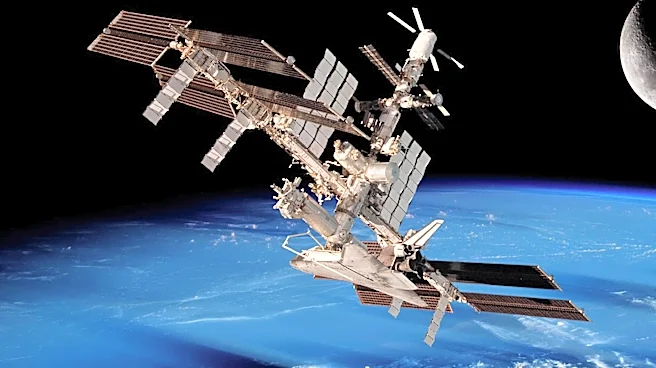
This hiring initiative by Axiom Space underscores the growing private sector involvement in space exploration and the development of commercial space infrastructure. The creation of Axiom Station is poised to transform low-Earth orbit into a global space marketplace, offering new opportunities for research, manufacturing, and potentially tourism. The emphasis on a Software Safety Engineer highlights the critical importance of robust safety protocols and engineering in complex space missions, especially as commercial entities take on more significant roles previously dominated by government agencies. Ensuring the safety of crew and mission success is paramount for the credibility and long-term viability of commercial space ventures. This development signifies a shift towards a more diversified space economy, where private companies are not just service providers but also developers of foundational space assets, potentially reducing reliance on government-funded stations like the International Space Station (ISS) in the future.
What's Next?
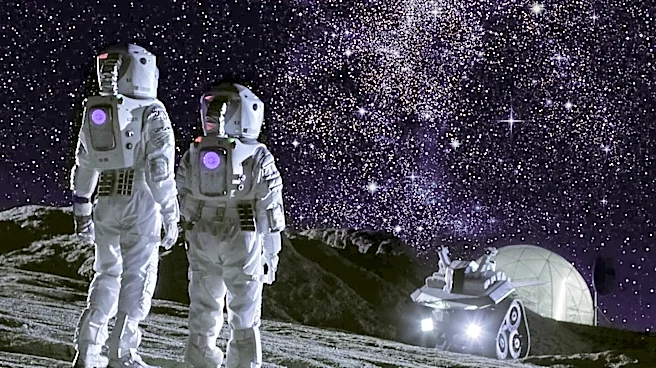
Axiom Space will continue its efforts to build and deploy Axiom Station, which is envisioned as a cornerstone for sustained human presence in space. The successful integration of a Software Safety Engineer will be crucial in advancing the station's development, ensuring that all software systems meet stringent safety standards. The company is also the principal provider of commercial human spaceflight services to the ISS and is developing advanced spacesuits for lunar and low-Earth orbit missions. As Axiom Station progresses, it will likely attract more research, commercial activities, and potentially private astronauts, further expanding the commercial space economy. The company's ongoing work with NASA, including an agreement to install commercial modules on the ISS as a precursor to its own station, indicates a phased approach to establishing its independent orbital platform. Future developments will likely include further recruitment for specialized engineering roles and continued collaboration with space agencies and other private entities.
Beyond the Headlines
The pursuit of a commercial space station by Axiom Space represents a significant step in the privatization of space, moving beyond mere transportation services to the creation of independent orbital habitats. This trend could lead to a more dynamic and competitive space industry, potentially accelerating technological advancements and reducing the cost of access to space. However, it also raises complex questions regarding regulatory frameworks, international cooperation, and the long-term sustainability of multiple private space stations. The focus on software safety is particularly salient in an era where space systems are increasingly reliant on complex software, making cybersecurity and fault tolerance critical considerations. The success of Axiom Station could set a precedent for future commercial ventures in deep space, potentially paving the way for private lunar bases or even Mars missions. This shift also implies a changing role for government space agencies, moving from sole operators to regulators, facilitators, and partners in a burgeoning commercial space ecosystem.