





What's Happening?
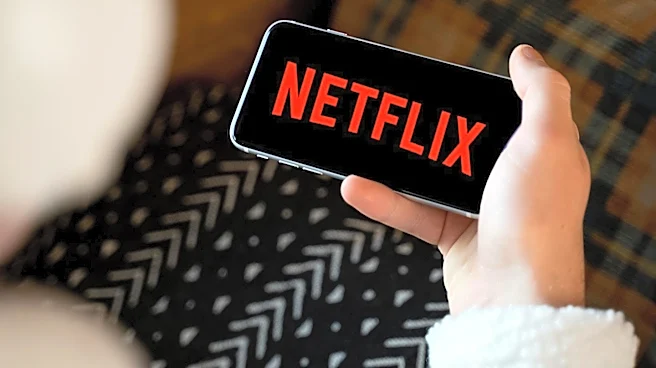
The 1994 action film 'Speed,' starring Keanu Reeves and Sandra Bullock, is scheduled to leave the Netflix streaming platform on November 1, 2026. The movie, a significant commercial and critical success from the 1990s, features Reeves as Jack Traven,
a young police officer tasked with preventing a Los Angeles city bus from exploding. An extortionist bomber has rigged the bus to detonate if its speed drops below 50 mph. Directed by Jan de Bont from a script by Graham Yost, with contributions from Joss Whedon, 'Speed' grossed over $350 million globally against a budget of $30-37 million. It achieved a 95% rating on Rotten Tomatoes and was the fifth-highest-grossing film of 1994. The film also stars Dennis Hopper as the antagonist Howard Payne, Joe Morton as Herb 'Mac' McMahon, and Jeff Daniels as Harry Temple. The role of Jack Traven was initially offered to Stephen Baldwin, and other actors considered included Tom Cruise, Wesley Snipes, Tom Hanks, and Woody Harrelson. Sandra Bullock's character, Annie Porter, was originally conceived as a paramedic, with Halle Berry considered for the role, before evolving into a comedic relief and eventually Traven's love interest.
Why It's Important?
The departure of 'Speed' from Netflix highlights the evolving landscape of streaming rights and content availability, which significantly impacts how audiences access classic films. For Netflix, the removal of a popular, critically acclaimed title like 'Speed' could influence subscriber retention, particularly for those who value a diverse library of older blockbusters. Such changes often reflect licensing agreements between streaming services and film studios, which are typically temporary and subject to renegotiation or acquisition by competing platforms. This constant flux means that viewers cannot rely on a permanent home for their favorite movies, potentially leading to frustration and the need to subscribe to multiple services or purchase films digitally. For the film industry, these licensing shifts are a crucial revenue stream, as studios can license their content to various platforms over time, maximizing their earnings. The move also underscores the ongoing competition among streaming services to secure exclusive content, both new and old, to attract and retain subscribers in a saturated market.
What's Next?
As 'Speed' prepares to exit Netflix, viewers interested in watching the film will need to do so before November 1, 2026. Following its departure, the film may become available on other streaming platforms, be offered for digital rental or purchase, or potentially return to Netflix or another service in the future, depending on subsequent licensing deals. The film's availability will be dictated by the distribution rights held by its production company, 20th Century Fox (now 20th Century Studios, a subsidiary of Disney), and their agreements with various streaming providers. Fans of Keanu Reeves and Sandra Bullock, or those interested in 90s action cinema, will need to monitor streaming service announcements or digital storefronts to find where the film will be accessible next. This situation is typical for older catalog titles, which frequently move between streaming services as licensing contracts expire and new ones are negotiated, reflecting the dynamic nature of content distribution in the digital age.
Beyond the Headlines
The removal of 'Speed' from Netflix is part of a broader trend in the streaming industry that raises questions about content preservation and accessibility. As more films become exclusive to certain platforms or cycle through different services, there's a growing concern about the long-term availability of cinematic history. This fragmentation of content can make it challenging for film enthusiasts and researchers to access a comprehensive library of movies, potentially impacting film education and cultural appreciation. Furthermore, the reliance on streaming services for film consumption means that physical media, such as DVDs and Blu-rays, are becoming less common, which could lead to certain films becoming harder to find if they are not consistently licensed by streaming providers. This dynamic also highlights the power of media conglomerates in controlling access to vast libraries of content, influencing what audiences watch and how they consume it. The transient nature of streaming libraries underscores the importance of diverse distribution channels to ensure that films remain accessible for future generations.