



What's Happening?
Self-care is defined as intentionally taking actions to protect and improve physical health, mental well-being, and relationships. It is highlighted as a vital component for individuals, particularly mothers, to maintain their overall health. The concept
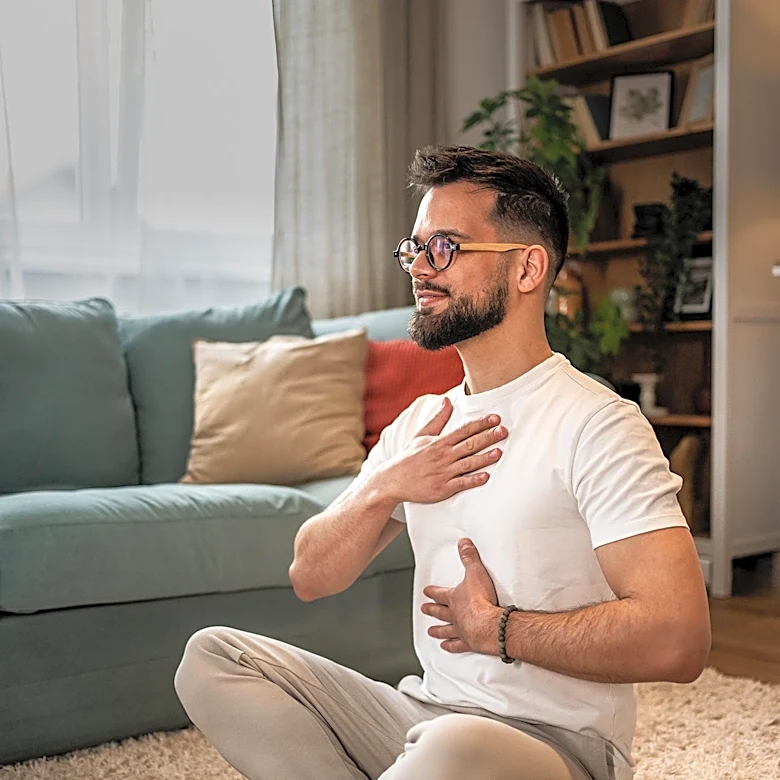
extends beyond personal benefit, enabling individuals to better support others. Practicing self-care can lead to enhanced self-esteem, improved mental health, increased energy and optimism, and a reduction in symptoms of anxiety and depression. It also equips individuals to handle life's stressors and challenges more effectively. Self-care encompasses a variety of activities aimed at health maintenance, defying a singular definition. For mothers, who often juggle numerous roles and responsibilities, prioritizing self-care is crucial to replenish energy, boost mood, and be more present for their families. Simple routines like gratitude lists, nature walks, journaling, breathing exercises, creative expression, and morning stretches are suggested as accessible ways to integrate self-care into daily life.
Why It's Important?
The emphasis on self-care underscores a growing recognition of its critical role in public health and individual productivity within the U.S. society. By promoting self-care, there's a potential to reduce the societal burden of mental health issues such as anxiety and depression, which can impact workforce productivity and healthcare costs. For industries, a workforce that prioritizes self-care is likely to be more resilient, less prone to burnout, and more engaged. The focus on mothers is particularly significant, as their well-being directly influences family stability and child development, which are foundational to societal health. Encouraging self-care among this demographic can lead to healthier family units and, by extension, a more stable and productive future generation. This shift towards valuing personal well-being as a prerequisite for effective functioning has broad implications for workplace policies, healthcare initiatives, and educational programs, potentially leading to a more holistic approach to health and wellness across the nation.
What's Next?
The continued promotion of self-care practices is likely to see further integration into various aspects of daily life, from personal routines to organizational wellness programs. Educational institutions and workplaces may increasingly offer resources and support for self-care, recognizing its benefits for overall performance and well-being. There could be a rise in accessible tools and platforms, such as meditation apps and guided journaling resources, to help individuals incorporate these practices. For mothers, specifically, there may be a greater push for community support systems and flexible work arrangements that enable them to prioritize their self-care without guilt. The long-term trend suggests a societal shift towards viewing self-care not as a luxury, but as a fundamental necessity for maintaining mental and physical health, leading to more resilient individuals and communities. This could also influence policy discussions around work-life balance and mental health support.
Beyond the Headlines
The widespread advocacy for self-care reflects a deeper cultural shift in the U.S. regarding individual responsibility for well-being and the destigmatization of mental health. Historically, self-sacrifice, particularly for mothers, was often glorified, leading to burnout and neglected personal needs. The current emphasis on self-care challenges this narrative, promoting a more balanced view where personal well-being is seen as essential, not selfish. This evolution has ethical implications, as it encourages individuals to prioritize their health, potentially leading to a more compassionate and understanding society. It also highlights the ongoing struggle to balance personal needs with societal expectations, particularly in demanding roles. The long-term impact could be a redefinition of success, moving beyond purely material achievements to include mental and emotional fulfillment, fostering a more sustainable and healthy way of living for all citizens.