


What's Happening?
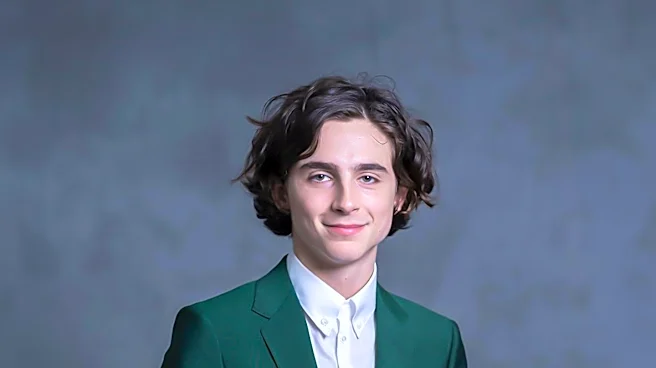
Actor Timothée Chalamet's recent interview with Vanity Fair has sparked backlash due to his brief and limited responses regarding his personal and professional life. The profile, conducted by VF Global Editorial Director Mark Guiducci, reportedly focused
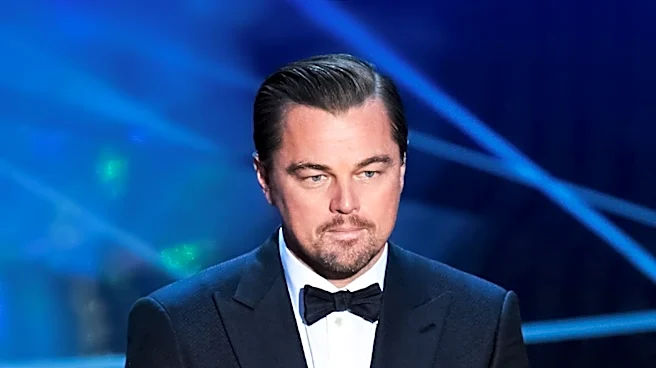
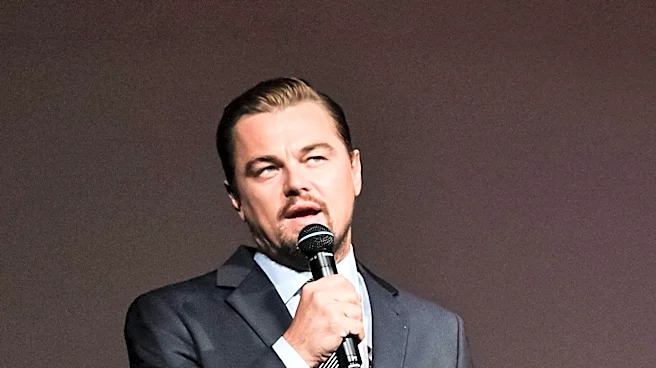
more on Guiducci's apartment and surroundings than on Chalamet himself. During the 90-minute meeting, Chalamet provided responses such as 'Okay, pass' to questions. This approach led to criticism from various outlets, with Hell Gate NYC describing the article as 'excruciating.' Guiducci defended the interview, noting Chalamet's politeness and comparing his reticence to that of other major stars like Marlon Brando and Leonardo DiCaprio, suggesting that as stars grow bigger, they tend to speak less. Chalamet had reportedly requested Guiducci to write the cover story himself and agreed to meet at Guiducci's apartment due to his inability to go many places in public.
Why It's Important?
This incident highlights the evolving dynamics between celebrity culture, media access, and public expectation. For the entertainment industry, it underscores the challenges journalists face in securing in-depth content from high-profile figures who increasingly control their narratives. The backlash suggests that while privacy is valued, audiences still expect a certain level of insight into the lives and work of their favorite stars, especially in major profiles. This could influence how publications approach celebrity interviews, potentially leading to more curated content or a shift in interview formats. For Chalamet, a prominent figure in youth culture and fashion, this controlled approach to media could be a strategic move to maintain an air of mystique, but it also risks alienating segments of his audience or the press who seek more candid interactions.
What's Next?
The discussion surrounding Chalamet's interview may prompt further conversations within the entertainment journalism industry about the balance between celebrity privacy and journalistic access. Publications might re-evaluate their strategies for securing compelling content from elusive stars, potentially exploring alternative formats or focusing more on their work rather than personal lives. For Chalamet, his team may continue to employ a strategy of limited media engagement to maintain his public image, or they might adjust based on public and media reception. This event could also influence how other celebrities manage their public personas, potentially leading to more controlled media appearances or a greater reliance on direct-to-fan communication channels.
Beyond the Headlines
Beyond the immediate criticism, this event touches upon broader themes of authenticity and performance in the public sphere. In an era where celebrities often curate their images meticulously through social media, traditional interviews remain a key battleground for narrative control. Chalamet's 'silent treatment' can be interpreted as a form of resistance against the commodification of personal life, asserting boundaries in an industry that often demands total transparency. This raises ethical questions about the extent to which public figures owe their audience personal disclosures and the role of journalists in navigating these boundaries. It also reflects a cultural shift where the mystique of a star might be more valuable than constant accessibility, challenging the traditional model of celebrity engagement.