








What's Happening?
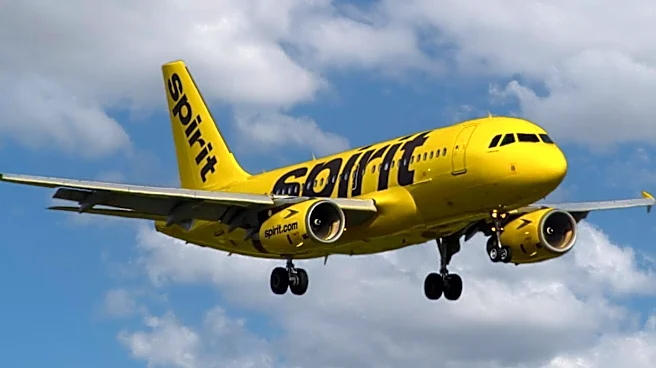
Setna iO has acquired four Airbus A320-200 airframes that were previously operated by Spirit Airlines. These aircraft, manufactured in 2010, are slated for disassembly at a facility in Goodyear, Arizona. The acquired airframes are equipped with upgraded
internal rotables and flight control surfaces. The components recovered from these aircraft will be distributed through Setna iO’s integrated network as used serviceable material (USM). This material will support A320-family operators, lessors, and maintenance, repair, and overhaul (MRO) providers globally. Hunter Edens, partner and Chief Commercial Officer at Setna iO, stated that the acquisition of these four airframes, with their level of upgraded material, significantly enhances the company's A320 inventory. This move is intended to strengthen Setna iO's capacity to meet the worldwide demand for A320 components.
Why It's Important?
This acquisition by Setna iO highlights a significant trend in the aviation industry, particularly following the cessation of operations by airlines like Spirit. The repurposing of aircraft through disassembly for used serviceable material (USM) provides a cost-effective alternative for maintenance and repairs, which is crucial for airlines and MRO providers facing economic pressures. The availability of upgraded components from relatively newer 2010-manufactured A320s can extend the operational life of other aircraft in the A320 family, benefiting operators by reducing the need for new parts. This also underscores the cyclical nature of the aviation market, where the end of one airline's operations can create opportunities for other segments of the industry, such as parts suppliers and maintenance services. The increased supply of USM can lead to more competitive pricing for aircraft parts, potentially lowering operational costs for airlines globally.
What's Next?
The disassembly process for these four Airbus A320-200 airframes will proceed in Goodyear, Arizona. Following disassembly, the recovered components will be cataloged and integrated into Setna iO's global distribution network. The company will focus on supplying these used serviceable materials to A320-family operators, lessors, and MRO providers worldwide. This influx of parts is expected to bolster the supply chain for A320 components, potentially impacting the market for new aircraft parts and maintenance services. The success of this venture could lead to similar acquisitions of retired aircraft, further solidifying the market for USM in the aviation sector. The ongoing demand for A320 components suggests a steady market for these recovered materials.
Beyond the Headlines
The acquisition and disassembly of these former Spirit Airlines aircraft reflect a broader shift in the aviation industry towards sustainability and resource optimization. By recovering and reusing components, companies like Setna iO contribute to a circular economy model, reducing waste and the environmental impact associated with manufacturing new parts. This practice also addresses the economic realities of airline operations, where the high cost of new aircraft and components makes USM an attractive option. The trend of airlines ceasing operations and their fleets being repurposed underscores the volatile nature of the airline industry, where even relatively modern aircraft can quickly transition from active service to parts donors. This also highlights the critical role of specialized companies in managing the end-of-life cycle of commercial aircraft, ensuring that valuable materials and components are reintegrated into the supply chain rather than being discarded.