





What's Happening?
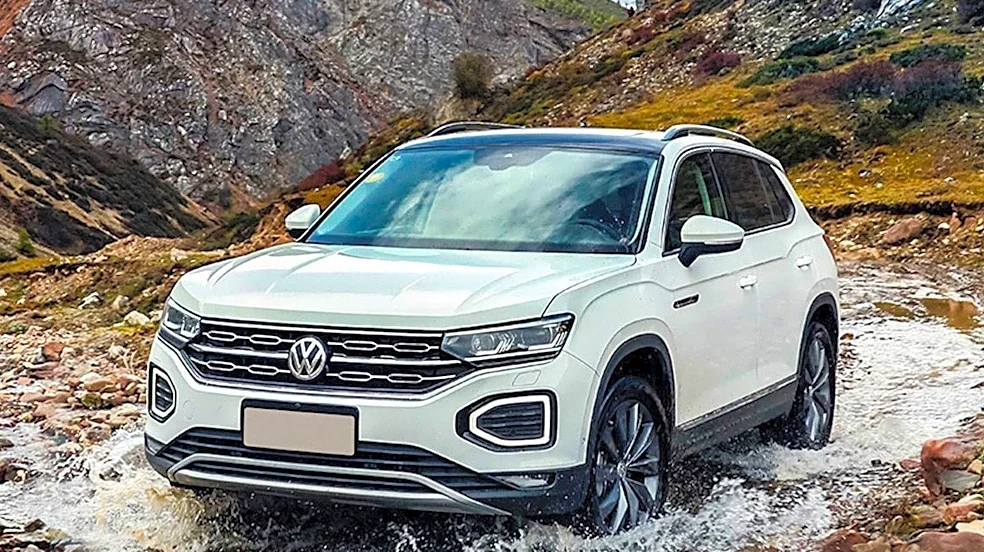
Volkswagen AG is initiating a strategic push into the U.S. market's light truck and off-road SUV segments, a move driven by deteriorating business in China and significant job cuts in its German plants. Chief Executive Officer Oliver Blume is spearheading
this new focus, aiming to capture a larger share of the American market, which has historically favored these vehicle types. This strategy positions Volkswagen to directly compete with established models like the Jeep Wrangler and Ford Bronco. The company has historically struggled to achieve lasting success in the U.S. market, despite its global standing as the second-largest automaker. This shift represents a critical effort to offset losses and strains experienced in other international markets, making the U.S. central to Volkswagen's growth plans.
Why It's Important?
This strategic pivot is crucial for Volkswagen's global financial health and its long-term presence in the U.S. automotive market. The light truck and off-road SUV segments in the U.S. are known for their higher profit margins and sustained consumer demand, offering a lucrative opportunity for Volkswagen to improve its revenue and profitability. By targeting these segments, Volkswagen aims to diversify its market reliance and mitigate the impact of declining sales in China and production challenges in Germany. Success in this endeavor could significantly bolster Volkswagen's financial performance and market share in the U.S., potentially altering the competitive landscape for domestic manufacturers like Jeep and Ford. Conversely, failure to penetrate this market effectively could exacerbate Volkswagen's global challenges, highlighting the high stakes involved in this strategic shift.
What's Next?
Volkswagen is expected to unveil further details regarding specific products, timing, and manufacturing plans for its new line of light trucks and off-road SUVs. The company will need to develop vehicles that resonate with American consumers, offering competitive features, pricing, and performance to challenge established players. This will likely involve significant investment in research and development, as well as marketing and distribution strategies tailored to the U.S. market. The success of this initiative will depend on Volkswagen's ability to overcome its past struggles in the U.S. and effectively adapt to local consumer preferences. The coming years will reveal whether this strategic shift can successfully re-establish Volkswagen as a major contender in a critical and profitable segment of the American automotive industry.
Beyond the Headlines
Volkswagen's renewed focus on the U.S. light truck and off-road SUV market reflects a broader trend in the global automotive industry where manufacturers are increasingly adapting their strategies to regional demands and economic shifts. This move underscores the importance of market diversification and resilience in the face of geopolitical and economic uncertainties. The challenge for Volkswagen extends beyond product development; it involves rebuilding brand perception and trust in a market where it has historically underperformed in certain segments. This strategic shift could also influence other international automakers to re-evaluate their U.S. market approaches, potentially leading to increased competition and innovation in the light truck and SUV categories. The outcome will serve as a case study for how global automotive giants navigate complex market dynamics and strive for sustained growth.