



What's Happening?
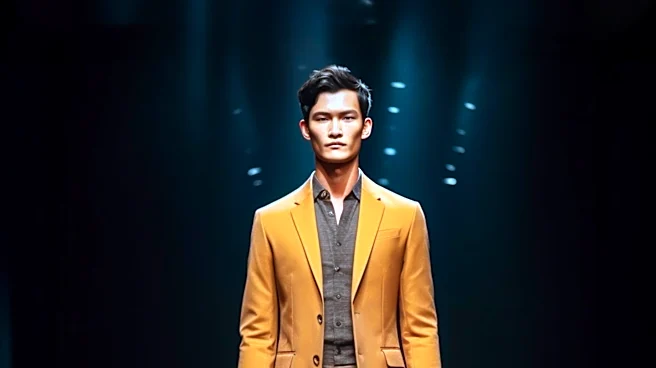
The Fédération de la Haute Couture et de la Mode (FHCM) has released the official dates for Paris Fashion Week 2027, encompassing several editions for menswear, womenswear, and Haute Couture. The Menswear Fall/Winter 2027–2028 collection will run from
January 19–24, 2027, followed by Womenswear Fall/Winter 2027–2028 from March 1–9, 2027. Later in the year, Menswear Spring/Summer 2028 is scheduled for June 22–27, 2027, and Womenswear Spring/Summer 2028 from September 27–October 5, 2027. Additionally, two Haute Couture editions are planned: Spring/Summer Haute Couture 2027 from January 25–28, 2027, and Fall/Winter Haute Couture 2027–2028 from July 5–8, 2027. These events are crucial for designers, fashion editors, buyers, and industry professionals globally, serving as a platform for presenting new collections and engaging in industry activities.
Why It's Important?
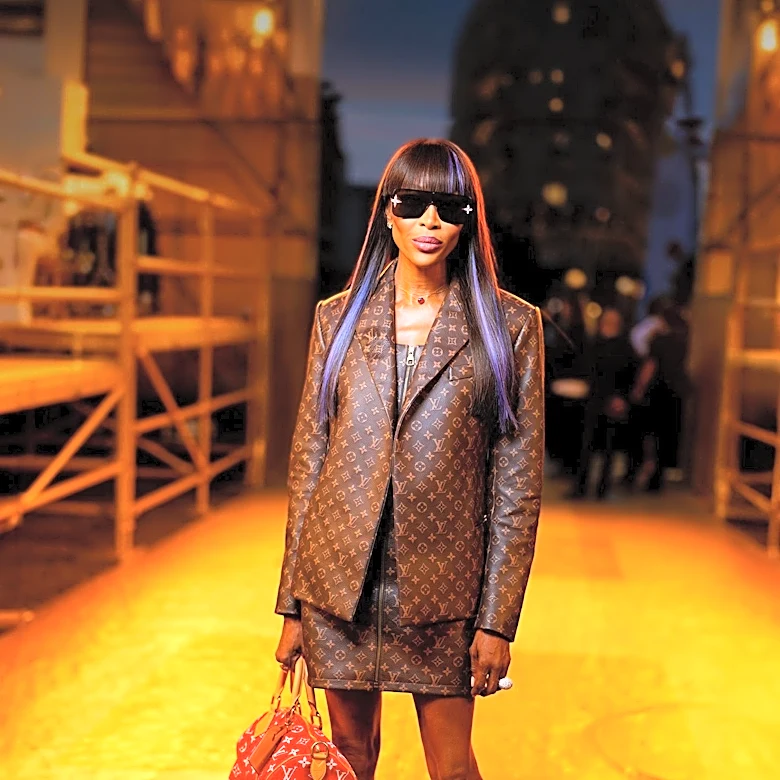
Paris Fashion Week is a cornerstone of the global fashion industry, alongside events in New York, London, and Milan. The announcement of these dates provides a critical timeline for international fashion houses, designers, and related businesses to plan their collections, marketing strategies, and logistical arrangements. For U.S. designers and brands, participating in or observing Paris Fashion Week offers exposure to a global audience and insights into emerging trends that can influence American fashion markets. The event attracts a diverse group of stakeholders, including international designers, journalists, buyers from luxury retailers, models, celebrities, and brand representatives, all of whom contribute to shaping global fashion narratives and consumer preferences. The structured calendar allows for strategic planning in production, distribution, and retail, impacting the economic flow within the fashion sector.
What's Next?
As the dates approach, individual fashion houses will finalize their show schedules, specific locations, and participating designers. The FHCM will publish detailed calendars for each edition, which will be essential for attendees to plan their visits. Industry professionals, including U.S. buyers and media, will begin making travel and accommodation arrangements, with demand for central Paris hotels expected to increase significantly during these periods. Invitations to official runway shows are typically managed by individual fashion houses and their public relations teams, requiring professional requests and credentials. While most official shows are invitation-only, independent fashion events, exhibitions, and online broadcasts will offer broader access to the public, allowing for wider engagement with the fashion week atmosphere.
Beyond the Headlines
The consistent scheduling of Paris Fashion Week underscores the enduring cultural and economic significance of fashion as an art form and a major industry. Beyond the immediate commercial implications, these events foster innovation, creativity, and cultural exchange, influencing design aesthetics and consumer trends worldwide. The emphasis on invitation-only shows highlights the exclusive nature of high fashion, yet the growing accessibility through digital platforms and independent events reflects an evolving industry attempting to balance exclusivity with broader engagement. The logistical complexities of hosting such a large-scale international event also shed light on the intricate coordination required across various sectors, from hospitality and transportation to security and media, demonstrating the multifaceted impact of fashion weeks on urban economies and global cultural landscapes.