



What's Happening?
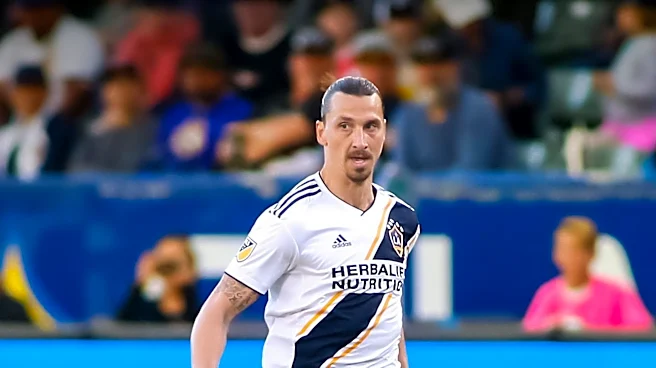
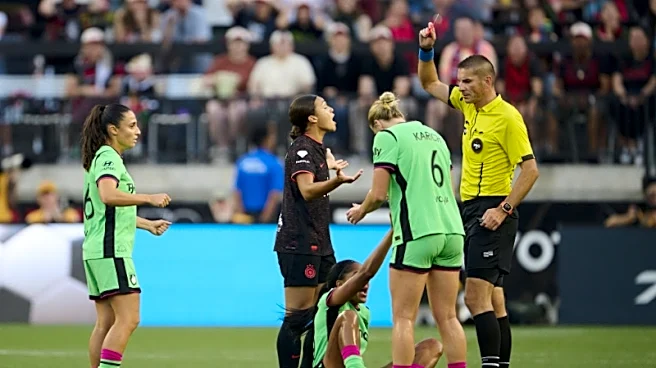
U.S. Citizenship and Immigration Services (USCIS) plays a crucial role in the immigration process for soccer players and coaches seeking to work in the United States. This includes athletes signing with Major League Soccer (MLS) and National Women's Soccer League (NWSL)
clubs, college players turning professional, and foreign clubs on tour. USCIS processes various visa petitions, such as the P-1A for athletes, O-1A for individuals with extraordinary ability, and EB-1A for individuals of extraordinary ability seeking permanent residency. For professional athletes, a U.S. club files the petition as the employer. The process often requires a consultation letter from a labor organization with expertise in the sport, such as the Major League Soccer Players Association (MLSPA) for MLS players. Additionally, obtaining a green card can change a player's roster category from international to domestic, which is significant for league roster rules.
Why It's Important?
The USCIS visa processes are vital for the continued growth and international competitiveness of U.S. professional soccer leagues like MLS and NWSL. By enabling foreign talent to play and coach in the U.S., these visas enhance the quality of play, attract global viewership, and contribute to the economic vitality of the sports industry. The ability for clubs to recruit international players directly impacts team performance and fan engagement. Furthermore, the distinction between international and domestic player status, influenced by green card acquisition, affects team roster management and strategic planning. This immigration framework supports the development of soccer in the U.S., allowing leagues to bring in diverse talent and expertise, which in turn helps elevate the sport's profile and development at all levels, from youth academies to professional leagues.
What's Next?
For soccer players and coaches, the next steps involve navigating the specific visa application processes with USCIS, often in conjunction with their U.S. employers or agents. This includes preparing detailed petitions with evidence of athletic achievement, contracts, and consultation letters from relevant labor organizations. For players seeking permanent residency, the EB-1A green card process can be pursued, which, if successful, reclassifies them as domestic players for league roster purposes. Clubs will continue to work closely with immigration attorneys to ensure compliance with USCIS regulations and league rules, particularly concerning international roster slots. As U.S. soccer continues to expand, the demand for efficient and clear immigration pathways for foreign talent will likely remain a key area of focus for both USCIS and the professional leagues.
Beyond the Headlines
The immigration pathways for soccer players and coaches highlight the complex interplay between sports, business, and national immigration policy. Beyond the immediate impact on team rosters and league competitiveness, the influx of international talent through USCIS processes contributes to cultural exchange and diversity within American society. These athletes often become community figures, influencing local youth and fostering broader interest in soccer. The legal framework also underscores the economic value placed on specialized talent in the U.S., where exceptional abilities in sports are recognized as a basis for temporary and permanent residency. This system reflects a broader national strategy to attract and retain global talent across various sectors, using immigration as a tool to enhance economic and cultural vibrancy, while also navigating the regulatory challenges of international sports governance like FIFA's transfer rules.