







What's Happening?
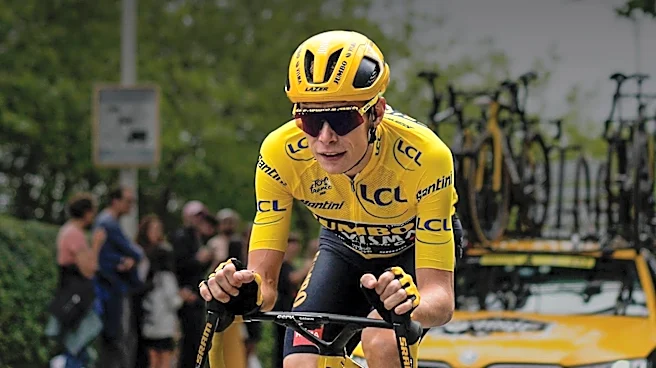
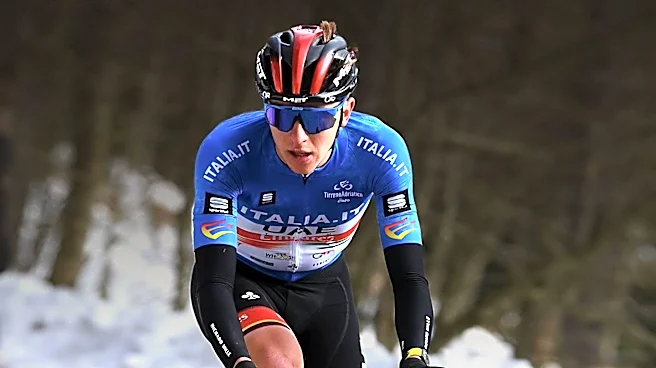
Tadej Pogačar, a prominent cyclist from UAE Team Emirates-XRG, has expressed his acceptance of the unusual anti-doping tests conducted during the Tour de France. Pogačar and Jonas Vingegaard were subjected to early morning tests, which deviated from the typical
testing schedule. The UCI's anti-doping rules allow for such tests if there is a serious suspicion of doping. Despite the disruption to his rest, Pogačar stated that he accepts these measures if they are necessary to ensure clean competition. The tests have sparked debate among athletes, with some, like Remco Evenepoel, criticizing the timing as disrespectful and disruptive to their recovery during the grueling race.
Why It's Important?
The controversy surrounding the timing of these anti-doping tests highlights the ongoing tension between maintaining fair competition and respecting athletes' recovery needs. The Tour de France is one of the most prestigious cycling events, and ensuring its integrity is crucial. However, the disruption caused by nighttime testing could impact athletes' performance and well-being. This situation underscores the challenges faced by anti-doping agencies in balancing effective testing with athletes' rights. The outcome of this debate could influence future anti-doping protocols and the relationship between regulatory bodies and athletes.
What's Next?
The International Testing Agency (ITA) and the UCI may need to review their testing protocols to address the concerns raised by athletes. There could be discussions on setting clearer guidelines for testing times to minimize disruption while maintaining the effectiveness of anti-doping measures. The response from the cycling community and regulatory bodies will be crucial in shaping future policies. Additionally, the impact of these tests on the performance and morale of affected athletes like Pogačar and Vingegaard will be closely monitored as the Tour de France progresses.