
What's Happening?
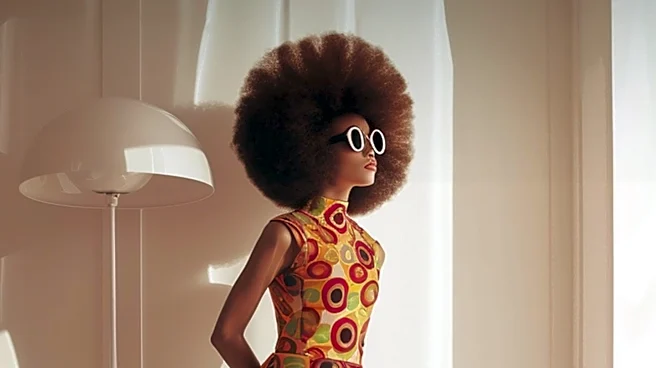
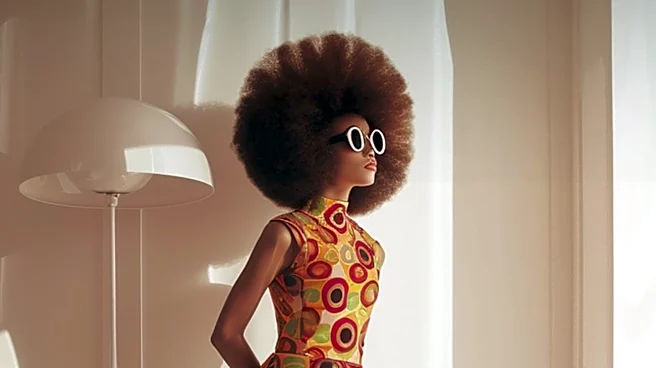
Vintage-inspired silhouettes from the 1950s, 1960s, and 1970s are experiencing a significant resurgence in contemporary fashion. Key styles making a comeback include the cinched 1950s waist, full skirts,
easy 1960s shift dresses, and flowing 1970s maxi and prairie dresses. Designers are reinterpreting these classic shapes, often incorporating modern elements like stretch fabrics for comfort and versatility. Specific details such as gingham, polka dots, sweetheart necklines, bows, ruffles, bell sleeves, and eyelet details are being integrated into current collections. Brands like Oh Pretty are offering 1950s-inspired corset dresses with boning and smocked panels for comfort, while Lulus features 1970s-inspired ruffled dresses and flares. This trend allows consumers to blend nostalgic pieces with modern basics, creating fresh and current looks.
Why It's Important?
This trend reflects a broader cultural appreciation for timeless design and quality craftsmanship over 'fast fashion.' Consumers are increasingly drawn to vintage styles not only for their aesthetic appeal but also for the superior materials and construction often found in older garments. The return of these flattering silhouettes, which emphasize defining the waist and skimming over hips, caters to a diverse range of body types, promoting inclusivity in fashion. For the U.S. retail market, this means a growing demand for clothing that offers both style and durability, potentially shifting purchasing habits towards more thoughtful and sustainable choices. It also presents opportunities for designers and brands to innovate by combining historical influences with modern functionality, appealing to a consumer base that values both heritage and contemporary comfort.
What's Next?
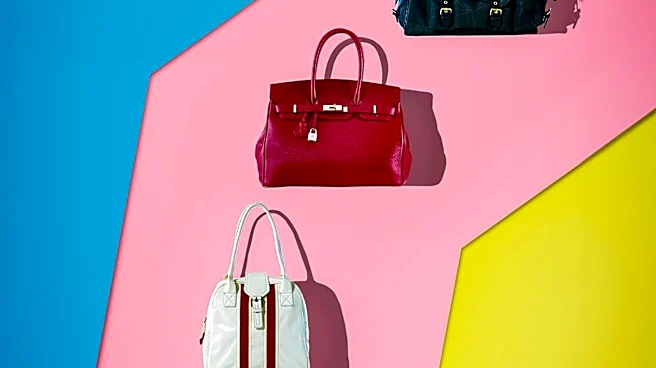
The integration of vintage-inspired pieces with modern basics is expected to continue, with consumers mixing items like a 1950s-style corset dress with a leather jacket or a 1970s maxi with white sneakers. Fashion brands will likely further explore and adapt historical silhouettes, focusing on comfort and wearability through the use of contemporary fabrics and construction techniques. The emphasis on fit will remain crucial, with brands offering detailed sizing guides to ensure garments flatter various body types. We can anticipate more collaborations between designers and vintage archives, as well as an increased focus on ethical production practices for these retro-inspired lines. The trend is also likely to influence accessory choices, with classic shoes, structured bags, and statement hats complementing these revived styles.
Beyond the Headlines
The enduring appeal of vintage silhouettes speaks to a deeper human desire for connection to the past and a sense of continuity in an ever-changing world. In an era dominated by digital trends and rapid consumption, these classic styles offer a tangible link to historical elegance and craftsmanship. This movement can also be seen as a form of rebellion against the fleeting nature of micro-trends, advocating for a more enduring and personal approach to style. Ethically, it encourages a move away from disposable fashion, promoting the idea of investing in well-made pieces that can be cherished and worn for years. This cultural shift could lead to a more mindful consumption pattern, where consumers prioritize quality, longevity, and personal expression over transient trends, fostering a more sustainable and meaningful relationship with clothing.