


What's Happening?
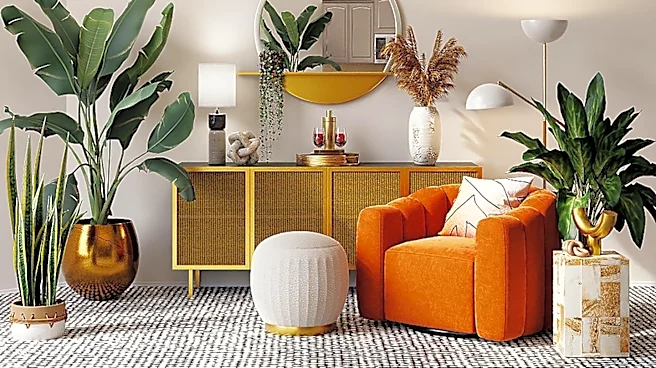
Cluttercore is emerging as a significant trend in interior design, characterized by filling living spaces with personally valuable collections and mementos. This style promotes an intentional and organized form of disorder, distinguishing itself from
traditional maximalism. While maximalism often involves a broad mix of colors, styles, and fabrics, cluttercore focuses on objects that hold personal meaning and reflect the owner's interests. The trend prioritizes heirloom ornaments, antiques, and personal collections, aiming to create spaces that feel unique and lived-in rather than uniformly styled. Architect Lydia Fernández highlights cluttercore as one of several decorating styles that emphasize personality over mere accumulation of items, suggesting a shift towards more personalized home environments. This approach avoids actual disarray, instead curating a visually rich environment that tells a story about its inhabitants.
Why It's Important?
The rise of cluttercore signifies a broader cultural shift in how individuals approach their living spaces, moving away from minimalist ideals towards more personalized and expressive environments. This trend impacts the home decor industry by potentially increasing demand for unique, vintage, and artisanal items, as well as encouraging consumers to value existing possessions rather than constantly seeking new ones. For retailers, this could mean a greater focus on curated collections and storytelling around products. Socially, cluttercore reflects a desire for authenticity and individuality, allowing people to showcase their identities through their surroundings. It challenges the notion of a perfectly tidy home, promoting a more relaxed and personal aesthetic that values sentimentality and history. This could also influence how people perceive 'clutter,' reframing it as a source of comfort and personal expression rather than disorganization.
What's Next?
As cluttercore gains traction, it is likely to influence product development and marketing strategies within the home furnishings and decor sectors. We may see an increase in offerings of unique, handcrafted, or vintage-inspired items designed to fit this aesthetic. Interior designers and home stylists will likely incorporate cluttercore principles into their recommendations, focusing on how to curate personal collections effectively without creating actual mess. Educational content around organizing and displaying personal items in an aesthetically pleasing way is also expected to grow. Furthermore, the trend could inspire a re-evaluation of consumer habits, encouraging more sustainable practices by valuing existing items and heirlooms over constant new purchases. Social media platforms will likely play a significant role in popularizing and evolving this trend, with influencers showcasing their cluttercore-inspired spaces.
Beyond the Headlines
Beyond its aesthetic appeal, cluttercore touches upon deeper psychological and cultural implications. It can be seen as a rebellion against the often impersonal and mass-produced nature of modern consumerism, advocating for spaces that are deeply personal and reflective of individual journeys. Ethically, it promotes sustainability by encouraging the reuse and appreciation of existing items, potentially reducing waste associated with constant redecoration. Culturally, it taps into a human need for connection to the past and a desire to tell one's story through tangible objects. This trend might also foster a greater appreciation for craftsmanship and the stories behind objects, moving away from a purely functional view of home decor. The emphasis on 'intentional disorder' suggests a mindful approach to accumulation, where every item has a place and a purpose, even if it contributes to a visually rich, layered environment.