




What's Happening?
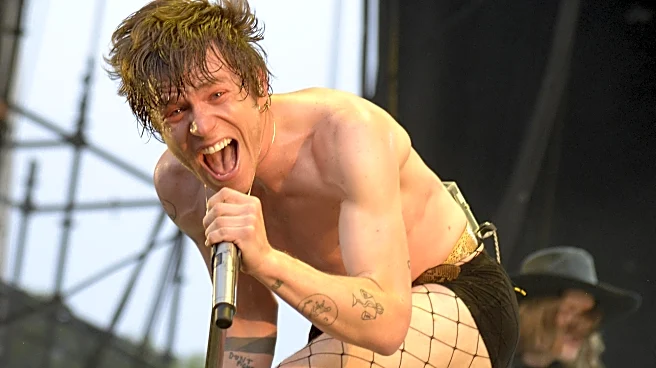
PETA has formally requested that the two-time Grammy-winning band, Cage the Elephant, temporarily change its name to "Free the Elephant." This request comes ahead of the band's halftime performance at an NFL game in Munich, Germany. The animal rights
organization aims to use the band's platform to raise awareness about a 56-year-old elephant named Okha. According to PETA, Okha has spent most of her life being forced to perform in circuses under threat of punishment. PETA claims Okha was taken from India as a baby and is currently being transported by a man, Brian Franzen, who allegedly has a history of animal cruelty charges, including being caught on camera striking an elephant with a bullhook. PETA's letter to the band emphasizes that Okha deserves to spend her remaining years in peace and dignity, suggesting that a temporary name change could help end animal cruelty in circuses.
Why It's Important?
This request highlights the ongoing efforts by animal rights organizations like PETA to leverage public figures and events to advocate for animal welfare. By targeting a popular band performing at a high-profile international event, PETA aims to maximize exposure for its cause, drawing attention to the plight of captive elephants. The band's decision, whether to accept or decline the request, could significantly impact public perception of both the band and the issue of animal cruelty in entertainment. If Cage the Elephant agrees, it could set a precedent for other artists to use their platforms for similar advocacy. Conversely, a refusal might lead to criticism from animal rights supporters. The situation also brings to light the ethical considerations surrounding the use of animals in circuses and other forms of entertainment, prompting audiences to reflect on these practices.
What's Next?
Cage the Elephant is scheduled to perform at the NFL game in Munich, Germany, on Sunday, November 15. The band's response to PETA's request is pending and will likely be a focal point of discussion leading up to their performance. Should the band agree to the temporary name change, it would generate significant media attention and potentially galvanize support for PETA's campaign to free Okha and other captive elephants. If they decline, PETA may continue its advocacy through other channels, potentially targeting other public figures or events. The outcome could influence future strategies for animal rights organizations seeking to collaborate with celebrities and public events to advance their causes. The NFL, as the host of the event, may also face scrutiny depending on the band's decision and the public reaction.
Beyond the Headlines
The PETA request to Cage the Elephant delves into the broader ethical debate surrounding animal exploitation in entertainment and the role of celebrity activism. It underscores the power of cultural figures to influence public opinion and drive social change. The case of Okha, as presented by PETA, highlights the long-term consequences of capturing wild animals for human entertainment, raising questions about animal rights, welfare standards, and the moral responsibilities of industries that profit from animal performances. This incident also reflects a growing trend where consumers and advocacy groups expect public figures and corporations to align with ethical values. The band's decision could either reinforce their image as socially conscious artists or expose them to criticism, illustrating the complex interplay between art, commerce, and activism in contemporary society.