






What's Happening?
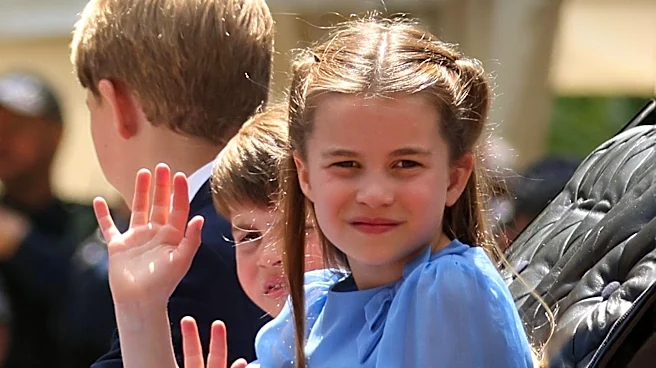
Princess Charlotte's fashion choices are increasingly influencing children's wear, with her style being lauded for its timeless, classic, and age-appropriate appeal. The young royal is frequently seen in a mix of high-street brands like GAP and Adidas,
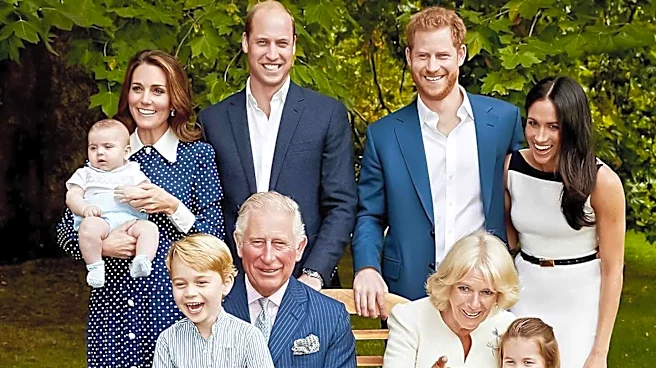
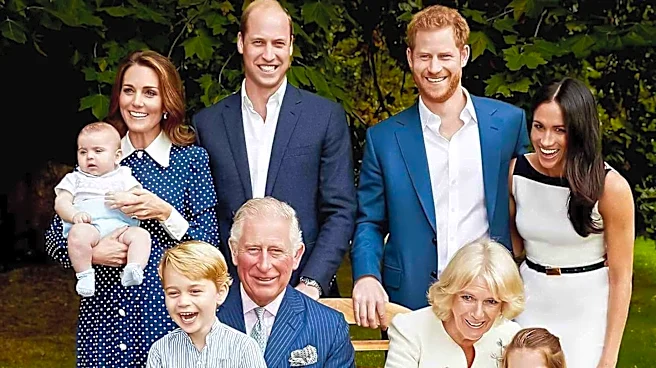
alongside designer pieces and traditional boutique items. Recent examples include her wearing £30 GAP jeans and Adidas Gazelle trainers in a family photograph, and a sparkling £30 sequined John Lewis dress to meet Taylor Swift. Fashion experts and parents alike praise her wardrobe for its blend of practicality, elegance, and the promotion of 'slow fashion' through heirloom-quality pieces designed to be passed down. Stylists note her preference for traditional elements like smocked dresses, classic coats, Mary Janes, and hair bows, which add charm without being overly formal. This approach contrasts with trends that push children to dress in more mature styles, instead championing the magic of childhood through clothing.
Why It's Important?
Princess Charlotte's influence on children's fashion is significant because it promotes a more wholesome and attainable approach to dressing children. In a market often driven by fast fashion and trends that can prematurely age young individuals, her style champions classic, durable, and age-appropriate attire. This encourages parents to invest in quality pieces that can be reused and passed down, aligning with sustainable fashion practices. The mix of high-street and designer items makes her style accessible to a broader audience, demonstrating that elegance doesn't always equate to high cost. Her fashion choices, curated by Princess Catherine, also subtly reinforce traditional values of childhood innocence and charm, offering a refreshing counter-narrative to more provocative or trend-driven children's clothing. This 'Princess Charlotte effect' can shape consumer behavior and influence children's wear brands to offer more classic and enduring designs.
What's Next?
The 'Princess Charlotte effect' is likely to continue shaping children's fashion trends, with brands potentially drawing inspiration from her wardrobe. We can expect to see continued emphasis on classic silhouettes, quality fabrics, and a blend of accessible and higher-end pieces in children's collections. Parents will likely continue to look to Princess Charlotte for inspiration for occasion wear and everyday outfits, particularly those seeking timeless and age-appropriate options. As she grows, her style will naturally evolve, and it will be interesting to observe how her fashion choices adapt while maintaining her signature elegance and practicality. This ongoing influence could further solidify a movement towards more sustainable and thoughtful consumption in children's clothing, prioritizing longevity and classic appeal over fleeting trends.
Beyond the Headlines
Beyond the immediate fashion trends, Princess Charlotte's style embodies a cultural statement about childhood itself. In a society where children are often pressured to grow up quickly, her wardrobe quietly champions the value of wholesomeness and the joy of being a child. This approach has deeper implications for how childhood is perceived and presented in media and consumer culture. By consistently appearing in outfits that are both stylish and innocent, she provides a powerful role model for young girls and a guiding principle for parents navigating the complexities of children's fashion. This influence extends beyond mere clothing choices; it subtly advocates for preserving the innocence of childhood, encouraging a focus on playfulness and comfort rather than premature sophistication. Her style, therefore, becomes a symbol of a cherished, unhurried childhood, resonating with many who seek to protect this phase of life.