






What's Happening?
In the second quarter of 2026, U.S. labor costs increased by 0.9%, slightly exceeding expectations, as reported by the Labor Department. This rise was driven by private-sector wage growth, particularly in goods-producing industries. Despite the increase,
the overall trend suggests that the labor market is not significantly contributing to inflationary pressures. The Employment Cost Index (ECI), a key measure of labor costs, showed a 3.4% increase over the past year. Wages and salaries, which form the bulk of labor costs, rose by 0.9% in the second quarter. However, when adjusted for inflation, wages fell by 0.3% over the year. The report indicates a 'low hire, low fire' state in the labor market, with job growth momentum slowing in June.
Why It's Important?
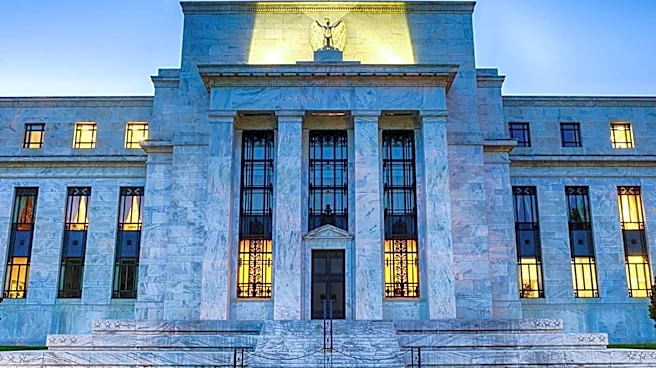
The rise in labor costs has implications for economic policy and inflation management. While the increase in wages could suggest upward pressure on inflation, the report indicates that the labor market is not a primary driver of inflationary trends. This provides some reassurance to policymakers concerned about inflation, as cost pressures are not emanating from the labor market. The Federal Reserve's recent decision to maintain interest rates reflects a cautious approach to balancing economic growth and inflation control. The data also highlights sector-specific wage dynamics, with goods-producing industries experiencing notable wage increases, which could influence future economic strategies and labor market policies.
What's Next?
The Federal Reserve will likely continue monitoring labor cost trends as part of its broader economic assessment. The central bank's interest rate decisions will be influenced by ongoing evaluations of inflationary pressures and labor market conditions. Businesses may need to adjust their compensation strategies to remain competitive in attracting and retaining talent, particularly in sectors experiencing wage growth. Additionally, the interplay between wage trends and consumer sentiment will be a focal point for economic analysts, as it could impact consumer spending and overall economic activity.