






What's Happening?
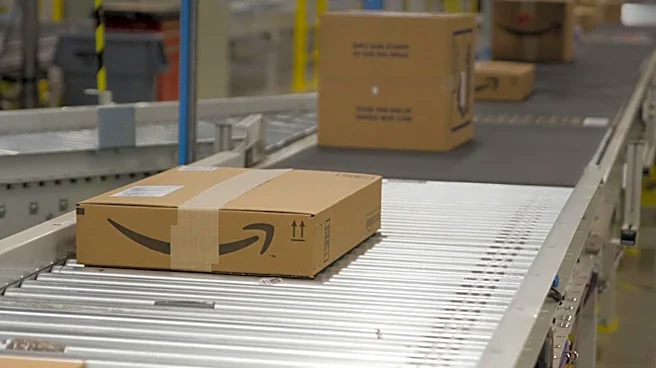
On October 29, 2026, Congressman Josh Gottheimer (NJ-5) visited an Amazon fulfillment facility in Woodland Park, New Jersey. During his tour, he observed firsthand how artificial intelligence (AI) and robotics are being integrated into operations to enhance
product delivery efficiency. The Congressman engaged with site leadership and Amazon public policy staff to discuss the implications of these technologies for the workforce in North Jersey. A key focus of the discussions was how AI is transforming facility operations, the training initiatives for employees to adapt to future job requirements, and the reliance of small businesses in New Jersey on Amazon’s fulfillment network. Congressman Gottheimer, who co-chairs the House Commission on Artificial Intelligence and the Innovation Economy, has been actively involved in bipartisan efforts to prepare the workforce for an AI-driven economy. He previously introduced the bipartisan AI Workforce Training Act with Congressman Mike Lawler (R-NY), which proposes a tax credit for companies investing in AI training for their employees.
Why It's Important?
This event highlights the growing integration of AI and robotics into the U.S. logistics and business sectors, underscoring the need for a skilled workforce capable of operating and managing these advanced systems. Congressman Gottheimer's engagement with Amazon, a major employer and technological innovator, signifies a legislative focus on understanding and addressing the economic shifts brought about by AI. The proposed AI Workforce Training Act is particularly important as it aims to incentivize companies to invest in employee training, which could mitigate potential job displacement and foster economic growth by ensuring a competitive and adaptable labor force. For U.S. industries, this initiative could lead to increased productivity and innovation, while for workers, it offers opportunities for upskilling and career advancement in a rapidly evolving technological landscape. The reliance of small businesses on such fulfillment networks also emphasizes the broader economic impact of these technological advancements.
What's Next?
The ongoing discussions and legislative efforts, such as the AI Workforce Training Act, suggest a continued focus on developing policies that support the integration of AI into the U.S. economy while addressing its impact on the workforce. Future developments may include further legislative proposals aimed at fostering AI innovation, protecting workers, and ensuring that the benefits of AI are widely distributed. Companies like Amazon are likely to continue investing in AI and robotics, which will necessitate ongoing collaboration between industry, government, and educational institutions to develop relevant training programs. The success of these initiatives will be crucial in maintaining U.S. competitiveness in the global technology landscape and ensuring a smooth transition for the workforce into an AI-powered future. The outcomes of such policy discussions could influence federal funding for workforce development and corporate tax incentives.
Beyond the Headlines
The tour and discussions extend beyond immediate policy implications, touching upon the broader societal and ethical considerations of AI and automation. The increasing reliance on AI in logistics raises questions about the future of human labor, the nature of work, and the potential for widening the skills gap if adequate training is not provided. The ethical implications of AI, including data privacy, algorithmic bias, and the responsible deployment of autonomous systems, are also implicit in these discussions. Furthermore, the role of government in fostering innovation while simultaneously ensuring equitable access to new economic opportunities will be a critical long-term challenge. The collaboration between lawmakers and tech giants like Amazon could set precedents for how public and private sectors address the transformative power of AI, shaping not only the economy but also the social fabric of communities reliant on these industries.