








What's Happening?
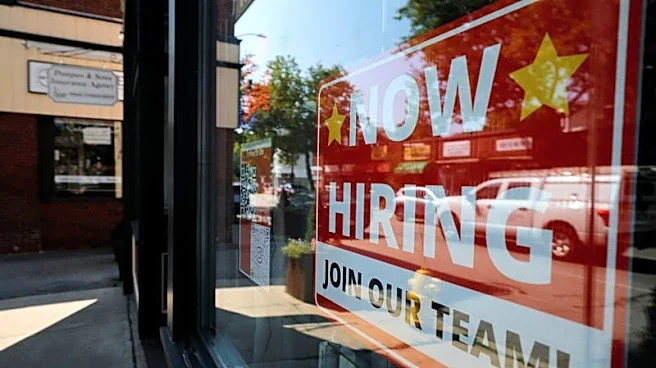
U.S. employers added 57,000 jobs in June, significantly below the forecasted 100,000 jobs, indicating a slowdown in hiring momentum. The unemployment rate decreased slightly to 4.2% from 4.3% in May. The Labor Department also revised down job growth figures
for April and May by a combined 74,000. The professional and business services sector saw the largest job gains, while the leisure and hospitality sector experienced a notable decline, shedding 61,000 jobs. This unexpected drop in leisure and hospitality jobs surprised economists, who anticipated stronger hiring due to events like the World Cup.
Why It's Important?
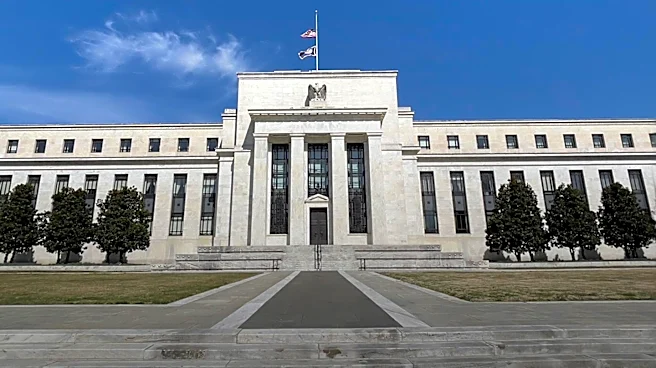
The weaker-than-expected job growth in June highlights potential challenges in the U.S. labor market. The decline in leisure and hospitality jobs, despite major events, raises concerns about the sector's recovery and its impact on overall economic growth. The Federal Reserve may need to reconsider its approach to interest rates, balancing the need to control inflation with supporting employment. The slower hiring pace could also affect consumer confidence and spending, which are vital for sustaining economic momentum.
What's Next?
The Federal Reserve will likely assess the implications of the June jobs report on its monetary policy decisions. The potential for further revisions to job growth figures and the impact of inflationary pressures will be key factors in determining future interest rate actions. Policymakers may need to consider whether to prioritize inflation control or support for the labor market. The trajectory of job growth in the coming months will be crucial in shaping the Fed's policy direction.