


What's Happening?
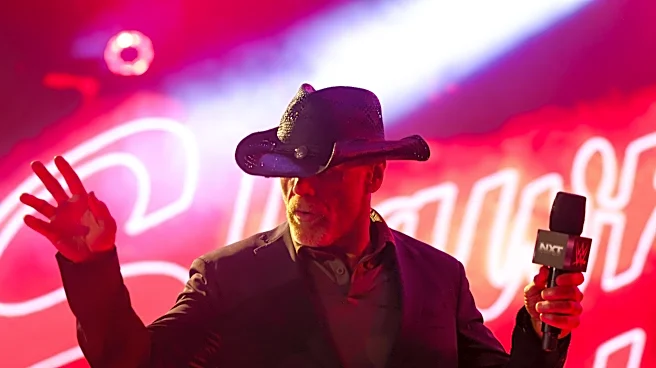
Rumors have emerged concerning a potential executive shakeup within WWE, specifically regarding Bruce Prichard, the Executive Director of Creative Writing & Talent. Initial reports suggested Prichard would retire from his role after WrestleMania 43 and
transition to a remote consulting position, with Shawn Michaels, who currently leads NXT, slated to take his place. However, Fightful Select has countered these claims, stating that Prichard is not retiring but rather reducing his travel due to preparation for neck surgery. This would allow him to continue his duties from home, a practice he has engaged in previously. Fightful also indicates that broader discussions about changes within WWE, NXT, and Evolve are either inaccurate or far from finalized. While some changes are being considered, such as AJ Styles gaining influence in WWE’s scouting department and Bobby Roode being considered for a role similar to Michael Hayes, these are not yet finalized. The situation suggests that while some shifts may occur, they might not be as extensive as initially rumored.
Why It's Important?
The potential changes in WWE's executive structure, particularly concerning key creative roles, hold significant importance for the company's future direction and content. Bruce Prichard's role as Executive Director of Creative Writing & Talent is central to the storytelling and character development that drives WWE's programming. Any alteration to his involvement, whether a full retirement or a shift to a remote capacity, could influence the creative output of the company. The rumored promotion of Shawn Michaels, a highly respected figure in professional wrestling, to such a pivotal role would signal a potential shift in creative vision, possibly bringing NXT's developmental philosophy to the main roster. This could impact viewership, talent development, and overall brand appeal. For stakeholders, including investors, talent, and fans, clarity on these executive roles is crucial as it directly affects the product's quality and strategic direction. Uncertainty surrounding these positions can lead to speculation and impact market perception of WWE's stability and future growth.
What's Next?
The immediate next steps involve monitoring official announcements from WWE regarding any executive changes. While Fightful Select has downplayed the initial rumors, the possibility of Prichard transitioning to a remote role due to health reasons remains. This would necessitate adjustments in how creative decisions are made and implemented. The consideration of AJ Styles for a scouting department role and Bobby Roode for a position akin to Michael Hayes suggests that WWE is evaluating its talent development and management structures. These potential shifts, if finalized, would likely be communicated to the public through official channels or industry reports. The wrestling community will be closely watching for any confirmation or denial of these rumors, as they could signal broader strategic shifts within the company's creative and talent management departments. The timing of any such announcements, particularly in relation to major events like WrestleMania, could also be strategic.
Beyond the Headlines
Beyond the immediate personnel changes, these rumors highlight the ongoing evolution of leadership within major entertainment organizations like WWE. The potential shift of a key creative executive to a remote role due to health concerns reflects broader trends in corporate flexibility and the adaptation of work models. It also underscores the immense pressure and demanding schedules faced by top executives in the entertainment industry. The consideration of former in-ring talent like Shawn Michaels, AJ Styles, and Bobby Roode for significant backstage roles indicates a continued reliance on individuals with deep industry knowledge and experience to shape the company's future. This trend suggests a strategic move to leverage the institutional knowledge and creative insights of those who have directly contributed to the product. Such transitions can influence company culture, creative direction, and the overall talent pipeline, potentially leading to a more integrated approach between in-ring performance and backstage management.