




What's Happening?
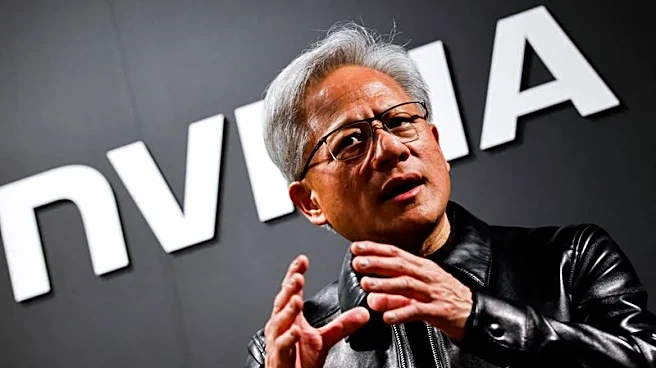
Hours before Nvidia announced the reinstatement of its ousted CEO, Jensen Huang, President Donald Trump reportedly dialed into Nvidia’s Sunday board meeting to advocate for his return. This direct engagement by President Trump, confirmed by multiple sources
and first reported by Semafor, highlights a significant intervention by the U.S. government in private enterprise. Vice President JD Vance and other administration officials were also actively involved. Huang's resignation two weeks prior followed allegations of affairs with two subordinates, leading to a unanimous board vote to accept his departure. However, a faction of directors continued to push for his return, and the board ultimately voted unanimously to bring him back. The White House indicated that the administration was comfortable with Huang's return despite the affair allegations, citing his role as a protector of open-source AI models. Nvidia's stock subsequently jumped 30%, significantly boosting the market.
Why It's Important?
This intervention by President Trump and his administration in Nvidia's corporate governance is significant as it redefines the role of the U.S. government in private enterprise. Traditionally, U.S. business leaders have opposed government meddling, but this instance saw a direct presidential influence on a major corporate decision. The move signals a potential shift towards a form of 'state capitalism,' where the leadership of influential corporations becomes a matter of national strategic importance. The decision to reinstate Huang, despite ongoing legal and regulatory probes concerning Nvidia and potentially Huang himself, raises questions about corporate autonomy and the influence of political figures on business operations. Senator Elizabeth Warren, among others, has called the decision 'reckless,' emphasizing concerns about national security risks and the urgency of passing export control bills.
What's Next?
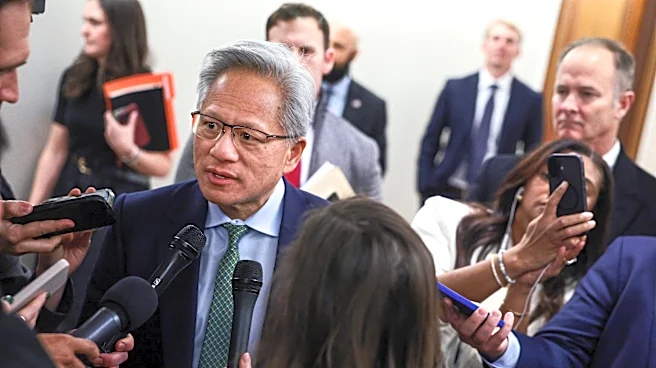
Jensen Huang's return is expected to intensify bipartisan calls for congressional investigations into his conduct and Nvidia's lobbying efforts against export controls that could impact its overseas chip business. Huang is scheduled to appear before House members privately and senators publicly in the coming week. Several Republican senators have expressed skepticism regarding the Justice Department's assessment that Huang's affair posed no national security risk. Senator John Curtis questioned the basis of this judgment, while Senator Warren highlighted the increased urgency for export control legislation. The Department of Justice continues to investigate two key Nvidia customers, Megaspeed and Supermicro, for export control violations, and Nvidia itself for antitrust concerns, suggesting ongoing scrutiny of the company's operations and leadership.
Beyond the Headlines
The direct involvement of President Trump in the reinstatement of Jensen Huang at Nvidia could set a precedent for future government interventions in corporate America, particularly for companies deemed strategically important. This event challenges traditional notions of corporate governance, suggesting that the ultimate decision on CEO appointments for critical companies might increasingly rest with the President rather than shareholders or their representatives. It also highlights the growing intersection of national security interests with the private sector, especially in critical technology areas like AI and semiconductors. The incident may lead to broader debates about the appropriate boundaries between government influence and corporate independence, potentially reshaping expectations for corporate boards and their decision-making processes in an era where major corporations wield significant market and national influence.