





What's Happening?
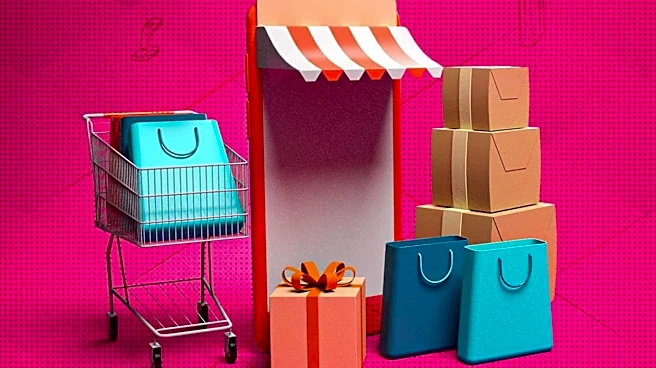
For 2026, successful e-commerce and retail businesses are moving beyond single-channel marketing to focus on creating connected customer experiences across multiple platforms. This integrated approach acknowledges that consumers interact with brands through
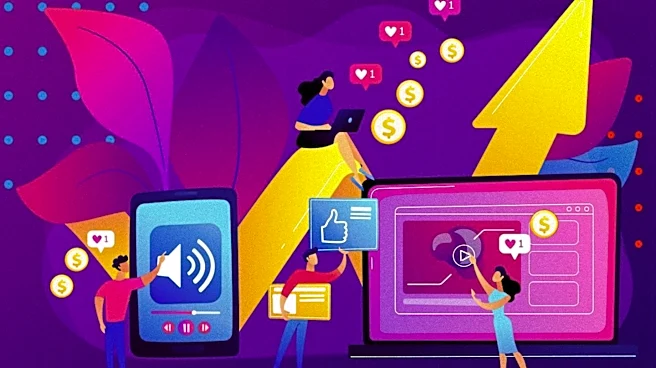
various touchpoints, including social media, email marketing, paid per click (PPC) advertising, and direct website visits, before making a purchase. Retailers are implementing strategies that ensure a seamless and consistent brand experience, regardless of the channel. The goal is to unify these diverse interactions into a cohesive customer journey, fostering stronger engagement and loyalty. This shift emphasizes the importance of an omnichannel strategy, where all marketing efforts work in concert to guide the customer through their purchasing decision.
Why It's Important?
The emphasis on connected customer experiences is critical for U.S. e-commerce and retail businesses to thrive in an increasingly competitive and fragmented digital landscape. Consumers expect personalized and consistent interactions across all channels, and businesses that fail to deliver risk losing market share. By integrating social media, email, PPC, and loyalty programs, companies can build stronger relationships with their customers, leading to increased retention and higher lifetime value. This strategy also allows for more effective data collection and analysis, providing insights into customer behavior that can inform future marketing and product development. Ultimately, creating a unified customer journey enhances brand perception, drives sales, and ensures businesses remain relevant and competitive in the evolving retail sector.
What's Next?
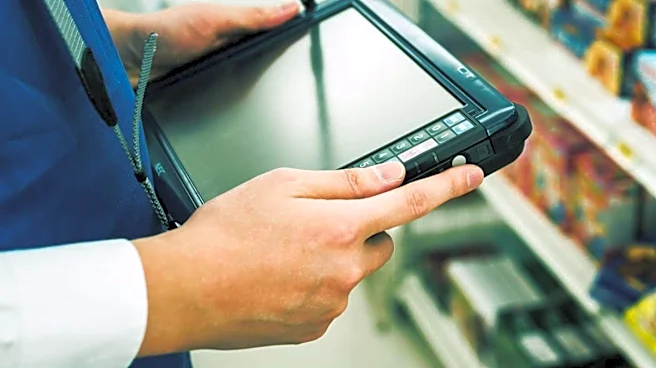
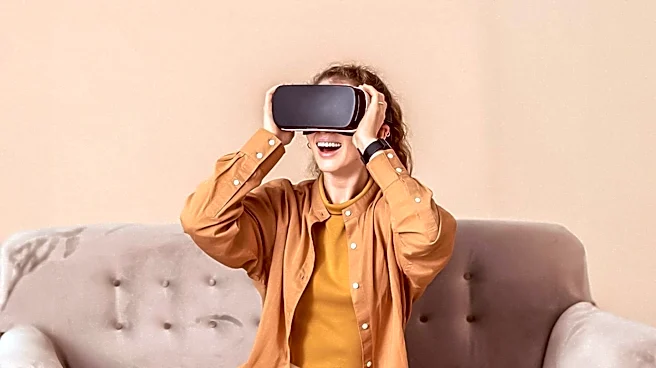
E-commerce and retail businesses will likely continue to invest heavily in technology and data analytics to further enhance their connected customer experiences. This includes adopting advanced CRM systems, AI-powered personalization engines, and sophisticated attribution models to track customer journeys more accurately. There will be a greater focus on hyper-personalization, delivering tailored content and offers based on individual customer preferences and past interactions. Businesses may also explore emerging channels like augmented reality (AR) and virtual reality (VR) to create immersive shopping experiences. The integration of in-store and online experiences will become even more seamless, blurring the lines between physical and digital retail. Furthermore, as consumer expectations for convenience and speed grow, retailers will prioritize optimizing their supply chains and delivery logistics to complement their integrated marketing efforts.
Beyond the Headlines
The shift towards connected customer experiences in e-commerce and retail signifies a fundamental change in the relationship between brands and consumers. It moves beyond transactional interactions to foster a sense of continuous engagement and personalized value. This approach can lead to a more ethical and transparent marketplace, as brands are incentivized to understand and respond to individual customer needs rather than relying on broad, impersonal campaigns. It also empowers consumers with more relevant information and choices, potentially reducing decision fatigue and increasing satisfaction. On a broader societal level, this trend could influence how businesses in other sectors approach customer service and engagement, promoting a more human-centric and integrated approach to commercial interactions across the U.S. economy.