







What's Happening?
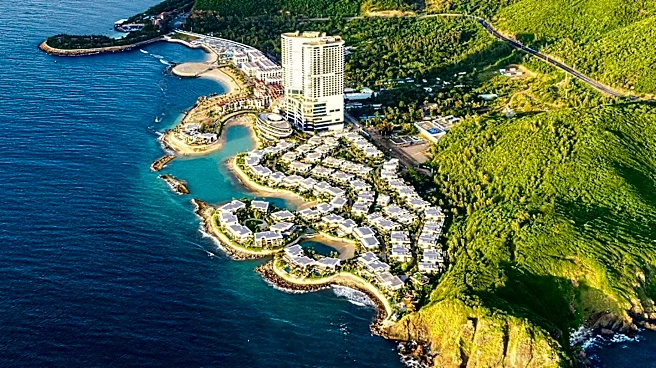
Despite the complex economic situation in Cuba, including the U.S. blockade and energy limitations, both Cuban and foreign businesspeople continue to show interest in investing in the country's tourism sector. José Alberto Pérez, Director of Development
of Cuba's Ministry of Tourism (Mintur), reported that business groups under his ministry received 344 expressions of interest for deals between July and October 2026. This figure indicates the positive impact of ongoing economic and social transformations. The majority of this interest, 60 percent, comes from domestic small and medium-sized enterprises, while 26 percent is from foreign companies. Leasing accounts for the highest demand, with 226 registered proposals, though joint ventures and franchises are also prominent options.
Why It's Important?
The sustained interest in Cuba's tourism sector, particularly from foreign entities, highlights the perceived long-term potential of the island's hospitality industry despite significant economic headwinds. This continued investment is crucial for Cuba, as tourism is a vital source of foreign currency and employment, helping to mitigate the severe impacts of the U.S. economic blockade and internal energy crises. The strong domestic interest also suggests a growing entrepreneurial spirit within Cuba, potentially fostering local economic development and resilience. The diverse range of investment types, from leasing to joint ventures, indicates a flexible approach to attracting capital, which could be a model for other sectors facing similar challenges.
What's Next?
The Cuban Ministry of Tourism will likely continue to promote these investment opportunities and streamline processes for foreign and domestic businesses to capitalize on the expressed interest. The focus on leasing, joint ventures, and franchises suggests a strategic effort to attract capital and expertise without necessarily requiring outright ownership, which could appeal to a broader range of investors. The ongoing economic and social transformations within Cuba will be critical in sustaining this interest and translating expressions of intent into concrete projects. The U.S. blockade remains a significant factor, and any future shifts in U.S. policy could either accelerate or hinder the growth of Cuba's tourism sector.
Beyond the Headlines
The resilience of Cuba's tourism sector in attracting investment, even under challenging conditions, speaks to the enduring appeal of the island as a destination and the resourcefulness of its economic planners. This situation also underscores the complex interplay between geopolitics and economic development. While the U.S. blockade aims to isolate Cuba, the continued interest from international businesses demonstrates that economic opportunities can still be found, albeit with increased risk and complexity. This dynamic highlights the limitations of sanctions as a sole foreign policy tool and the potential for alternative economic pathways to emerge, driven by both domestic initiative and international market demand.