






What's Happening?
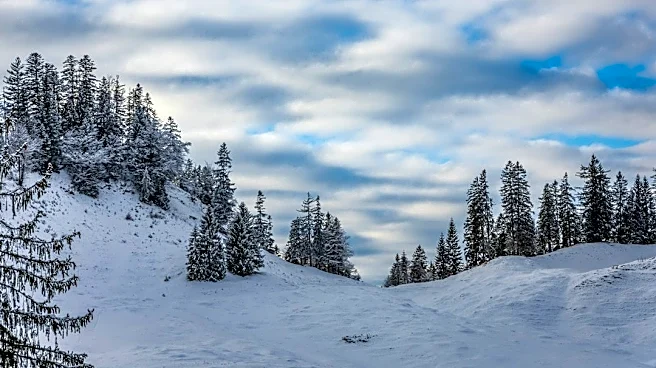
The Uinta Highline Trail (UHT), a 103-mile route across the Uinta Mountain Range in northern Utah, presents significant challenges for thru-hikers due to its high elevation, remoteness, and unpredictable weather. Averaging around 11,000 feet in elevation and reaching
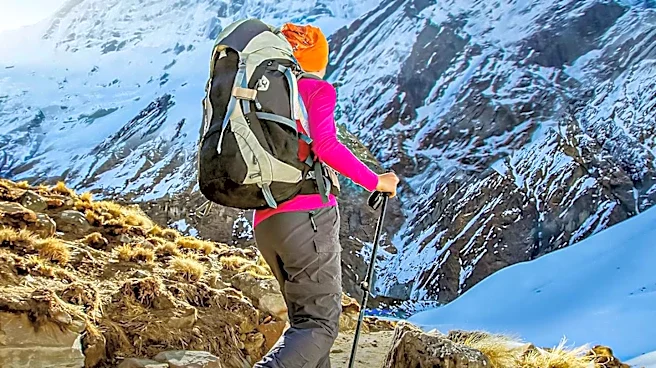
nearly 13,000 feet, the trail can induce altitude sickness. Hikers often face deep snow and below-freezing temperatures, especially in late season. Unlike more established trails like the Appalachian Trail (AT), the UHT has limited resources, requiring hikers to be self-sufficient with food and navigation, often relying on GPS. The terrain varies from open woods and meadows to rocky, Mars-like landscapes above the treeline, with boggy sections and burn areas that obscure the path. These conditions necessitate careful preparation, including acclimatization and appropriate gear for extreme weather.
Why It's Important?
The Uinta Highline Trail's demanding nature highlights the diverse challenges within U.S. long-distance hiking and the importance of specialized preparation. Its remoteness and high altitude differentiate it from more accessible trails, attracting experienced hikers seeking a greater test of endurance and self-reliance. This trail contributes to the spectrum of outdoor recreation opportunities in the U.S., offering a unique experience that emphasizes wilderness skills and mental fortitude. The limited resources and unpredictable conditions underscore the critical need for advanced planning, navigation expertise, and robust emergency preparedness, influencing how outdoor enthusiasts approach less-traveled routes. The experiences on such trails can also inform best practices for wilderness safety and conservation efforts in high-alpine environments.
What's Next?
As interest in challenging thru-hikes grows, the Uinta Highline Trail may see increased attention from experienced hikers, potentially leading to more detailed user-generated resources and community support. However, its inherent difficulties and remoteness are likely to keep it a niche experience compared to more popular trails. Continued emphasis on Leave No Trace principles and responsible hiking will be crucial to preserve its pristine environment. Park services and outdoor organizations may need to provide more guidance on high-altitude safety and wilderness navigation for those attempting such routes. The experiences gained on trails like the UHT can also contribute to the development of specialized gear and training programs for extreme outdoor conditions.
Beyond the Headlines
The Uinta Highline Trail experience delves into the psychological and physical limits of human endurance, offering profound insights into resilience and adaptation. The stark contrast between the lush lower elevations and the barren, high-alpine landscapes evokes a sense of awe and humility in the face of nature's power. The necessity for self-sufficiency and reliance on a hiking partner fosters deep bonds and a heightened sense of responsibility. This trail serves as a powerful reminder of the untamed wilderness that still exists within the U.S., challenging modern conveniences and reconnecting individuals with primal survival instincts. It also raises questions about the balance between promoting outdoor adventure and ensuring the safety and preparedness of participants in extreme environments.