






What's Happening?
Travelers booking an Aurora tour in Tromsø, Norway, are advised to bring their passports due to the possibility of crossing the border into Finland in pursuit of clear skies. The tour, which can be booked almost a year in advance, emphasizes that an Aurora sighting
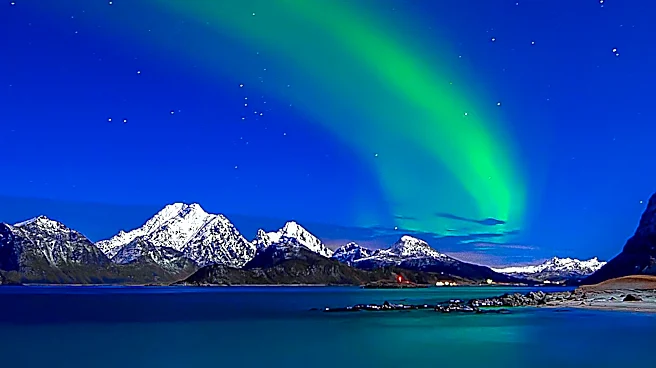
is never guaranteed, as success depends on both solar activity and clear weather conditions. Guides prioritize finding clear patches of sky, which may necessitate driving beyond Tromsø and potentially into neighboring countries. On one occasion, a group reportedly traveled to Finland to find optimal viewing conditions. The experience involves small groups, with guides explaining what to look for, how weather affects visibility, and assisting with camera settings to capture the Aurora, which often appears as a faint whitish-grey cloud to the naked eye but is more vivid through long-exposure photography.
Why It's Important?
This requirement highlights the logistical complexities and international cooperation that can be involved in specialized tourism, even for seemingly localized natural phenomena. For U.S. citizens traveling to Norway for such experiences, understanding the potential for cross-border travel is crucial for preparedness, including having valid passports and being aware of any visa requirements for neighboring countries like Finland, which are part of the Schengen Area. The emphasis on chasing clear skies rather than a fixed location underscores the dynamic nature of aurora tourism and the lengths operators go to ensure customer satisfaction. This approach also impacts local economies in border regions, as tours might bring business to areas outside the primary destination. Furthermore, it illustrates how environmental factors, such as weather, directly influence the operational strategies and success rates of nature-based tourism ventures.
What's Next?
Travelers planning Northern Lights tours in Tromsø should continue to anticipate the need for a valid passport and be prepared for potential international travel, even if the primary destination is within Norway. Tour operators will likely maintain their flexible approach to routes, adapting to real-time weather conditions to maximize viewing opportunities. This could lead to continued cross-border excursions into Finland or other nearby regions with clearer skies. Future bookings will likely reiterate the passport requirement, ensuring travelers are adequately prepared for the possibility of leaving Norway. The focus will remain on providing a comprehensive experience, including practical advice on photography and post-viewing activities like campfires and warm meals, regardless of the distance traveled.
Beyond the Headlines
The practice of crossing international borders for optimal viewing conditions raises interesting questions about the fluidity of tourism in the Schengen Area and the practical implications for travelers. It underscores how natural phenomena can transcend national boundaries, requiring a flexible and collaborative approach from tourism providers. This also subtly highlights the environmental challenges of climate change, as unpredictable weather patterns could increasingly influence the success and routing of such tours. The reliance on long-exposure photography to capture the Aurora's full beauty also points to the gap between natural perception and technological enhancement, shaping tourist expectations and the commercialization of natural wonders. The intimate, small-group nature of these tours suggests a growing demand for personalized and immersive travel experiences, even if it means venturing further afield.