



What's Happening?
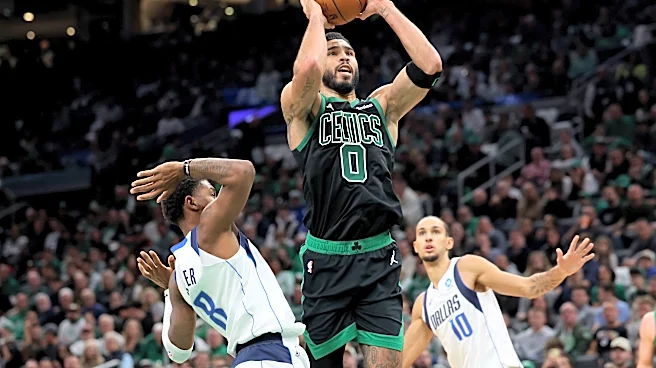
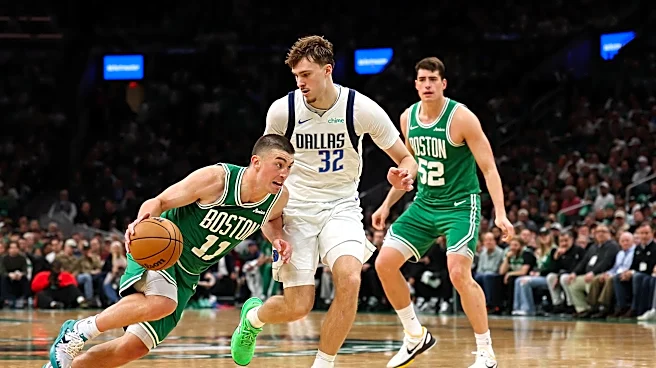
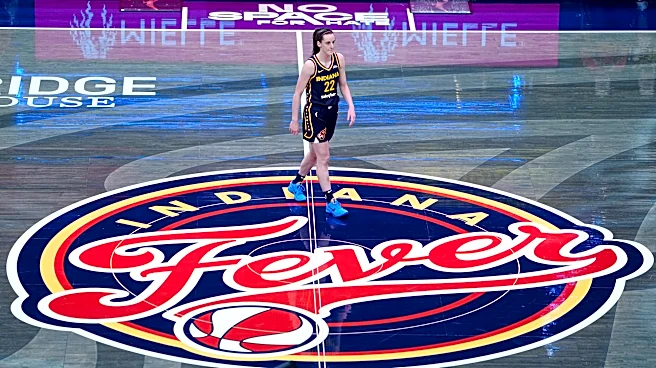
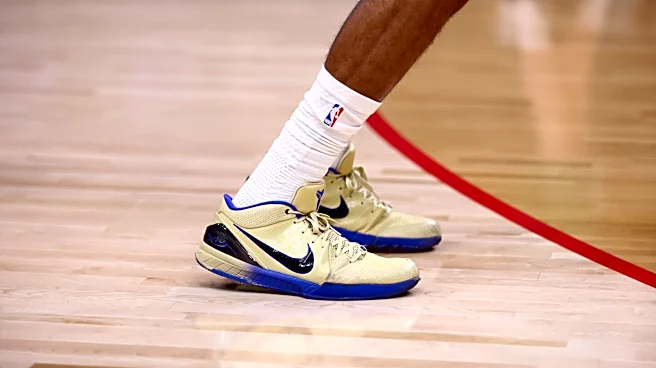
Boston Celtics guard Derrick White has publicly expressed his preference for Caitlin Clark's signature basketball shoes, the Caitlin 1. White, who previously wore Sabrina Ionescu's signature shoes for two years, revealed on his podcast that he has become
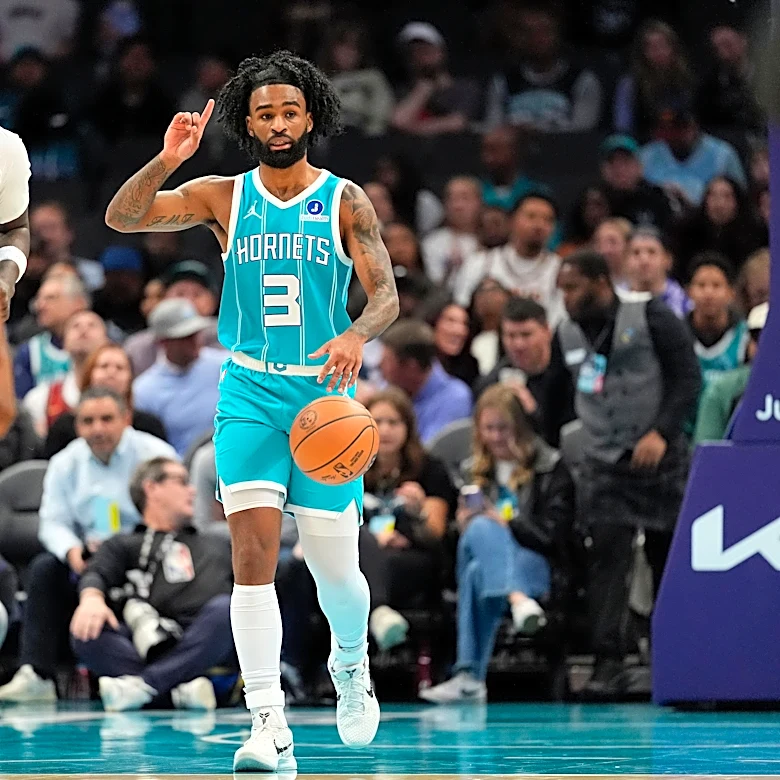
'hooked' on Clark's footwear. He noted that he has 'played well in them,' making it difficult for him to switch back to other shoes. This endorsement highlights the growing popularity of Clark's signature line, which has already achieved significant commercial success. The Caitlin 1 launched on October 1, with the 'Caitlin Blue' colorway nearly selling out online within two hours. Nike has not released specific sales figures, but the shoe's reach extends to 5,000 retail locations, double the average for a Nike Basketball signature release. White is not the only NBA player to adopt Clark's shoes; Cade Cunningham, Amen Thompson, and Naz Reid have also been seen wearing them, indicating a broader appeal beyond women's basketball.
Why It's Important?
Derrick White's public endorsement of Caitlin Clark's signature shoes is significant for several reasons. Firstly, it underscores the expanding influence and marketability of women's basketball stars like Clark, whose appeal is now clearly transcending traditional gender lines in sports merchandise. When male athletes in a major league like the NBA choose to wear a female athlete's signature shoe, it signals a shift in perception and acceptance within the broader sports culture. This cross-gender adoption can significantly boost sales and brand recognition for Clark's line, potentially setting new benchmarks for women's athletic endorsements. For Nike, it validates their investment in Clark and demonstrates the potential for signature lines to attract a diverse consumer base. This trend could encourage other sports brands to invest more heavily in female athletes, recognizing their broader market impact and ability to drive sales across different demographics. It also challenges traditional marketing strategies that often segment athletic footwear by gender, suggesting a more unified market for high-performance sports gear.
What's Next?
The continued adoption of Caitlin Clark's signature shoes by NBA players like Derrick White could lead to increased demand and further expansion of the product line. Nike may consider releasing more colorways or even new models to capitalize on this unexpected cross-gender appeal. This trend could also influence other female athletes' endorsement deals, potentially leading to more lucrative and prominent signature shoe opportunities. For Clark, this broader appeal solidifies her status as a major cultural icon in sports, extending her influence beyond the WNBA. It is also possible that other brands will take note of this success and seek to replicate it by investing in signature lines for other prominent female athletes, aiming to capture a similar diverse market segment. The visibility of these shoes on NBA courts will likely continue to generate buzz and drive consumer interest, further cementing the Caitlin 1 as a significant product in the athletic footwear market.
Beyond the Headlines
The phenomenon of NBA players wearing Caitlin Clark's signature shoes reflects a deeper cultural shift in sports, challenging long-held gender norms and perceptions of athletic prowess. Historically, male athletes' signature shoes have dominated the market, with limited crossover appeal for women's lines. White's choice, driven by performance and personal preference rather than gender, signifies a move towards a more meritocratic view of athletic gear. This development could have long-term implications for how sports apparel is designed, marketed, and consumed, potentially leading to more gender-neutral product lines and a greater emphasis on performance over traditional gender associations. It also highlights the growing power of individual athlete brands, where personality and on-court success can transcend demographic boundaries. This trend could foster greater inclusivity in sports marketing, encouraging brands to focus on the universal appeal of athletic excellence rather than segmenting their audience based on gender.