



What's Happening?
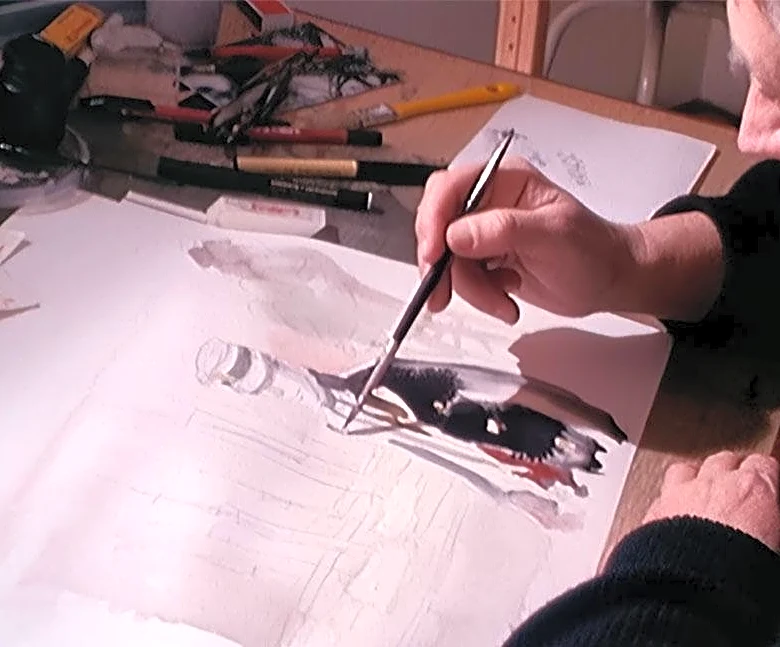
Richard Bruning, a key figure in comic book graphic design, discusses his career trajectory, from his early days in Madison, Wisconsin, running a graphic design studio to his influential roles at DC Comics. Bruning recounts his initial stint at DC from 1985
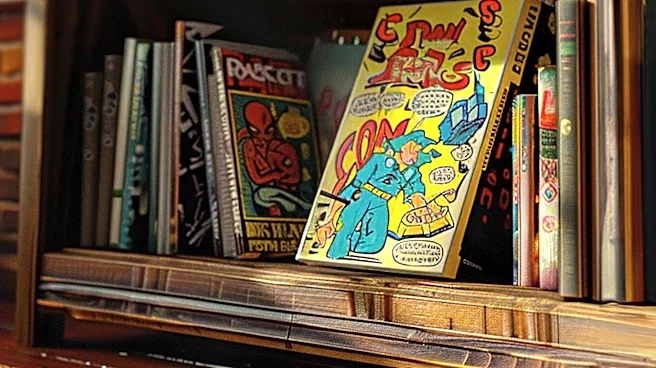
to 1990, where he was instrumental in shaping the visual identity of groundbreaking titles like 'Watchmen' and 'The Dark Knight Returns'. He details his efforts to modernize comic book aesthetics, moving away from traditional formats and pushing for more sophisticated design elements. Bruning also shares insights into the creation of the Vertigo imprint, which he helped design as a freelancer after his first departure from DC. He highlights the collaborative process with Karen Berger, his wife, in developing Vertigo's distinct look, including the use of painted covers and a deliberate move away from the standard DC 'bullet' logo to differentiate the imprint's mature content.
Why It's Important?
Bruning's contributions were pivotal in transforming the perception of comic books from a niche, child-focused medium to a more respected art form capable of attracting a broader audience. His work on 'Watchmen' and 'The Dark Knight Returns' set new standards for comic book packaging and design, influencing how graphic novels are presented and perceived. The establishment of the Vertigo imprint, with Bruning's design input, was crucial in creating a dedicated space for creator-owned, mature-themed comics, which significantly expanded the creative boundaries of the industry. This shift not only fostered artistic innovation but also demonstrated the commercial viability of diverse storytelling within the comic book landscape, paving the way for future imprints and independent publishers. His advocacy for sophisticated design helped elevate the medium's artistic credibility and market appeal.
What's Next?
While the article primarily reflects on past events, Bruning's insights into the evolution of comic book design continue to inform contemporary practices. The principles he championed, such as the importance of packaging and visual sophistication, remain relevant for publishers seeking to attract new readers and maintain the artistic integrity of their titles. The legacy of Vertigo, which eventually evolved into DC Black Label, demonstrates a continued industry trend towards specialized imprints for diverse content. Future developments in comic book publishing will likely continue to build upon these foundations, exploring new formats and design approaches to engage audiences in an increasingly competitive media landscape. The ongoing debate about balancing traditional aesthetics with modern design, as highlighted by Bruning's experiences, will likely persist as the industry adapts to new technologies and reader expectations.
Beyond the Headlines
Bruning's narrative reveals the deeper cultural and artistic tensions within the comic book industry during a period of significant transformation. His struggle to introduce modern design principles against the resistance of traditionalists underscores the inherent challenges of innovation within established creative fields. The article touches upon the ethical considerations of content labeling, particularly with the emergence of mature-themed comics, and the industry's evolving understanding of its audience. Furthermore, Bruning's early adoption of digital tools, such as the Macintosh and Photoshop, highlights the profound impact of technology on creative processes and the initial skepticism it faced. This foresight into digital design not only revolutionized comic book production but also foreshadowed the broader digital transformation across various creative industries, emphasizing the importance of embracing new tools for artistic and commercial advancement.