

What's Happening?
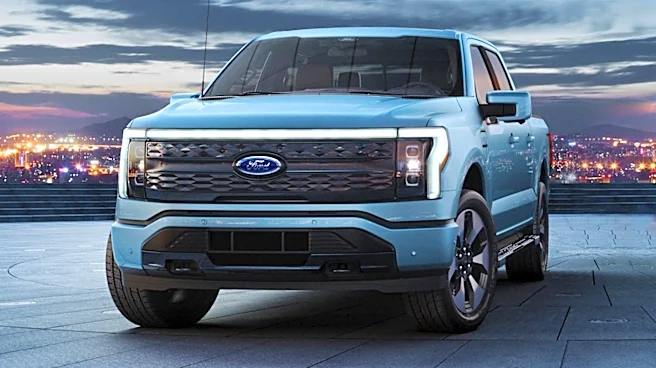
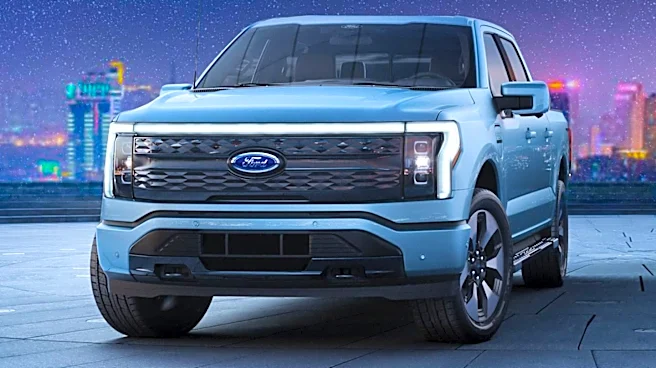
Ford is significantly expanding its lineup of electric and hybrid vehicles available in the U.S. market. The company's current electric and hybrid inventory includes models such as the Ford F-150 Lightning, Ford Mustang Mach-E, Ford Escape Plug-in Hybrid,
Ford Maverick Hybrid, and Ford Escape Hybrid. This expansion is part of Ford's ongoing commitment to electrification, aiming to provide innovative options that combine efficiency with performance and capability. In addition to these electrified options, Ford continues to offer a wide range of traditional gasoline-powered vehicles, including popular SUVs like the Bronco, Escape, and Explorer, and its best-selling trucks such as the F-150 and Super Duty series. The company also provides various financing options and special incentives to make new Ford purchases more accessible for customers.
Why It's Important?
This strategic focus on electric and hybrid vehicles by Ford is crucial for the U.S. automotive industry and consumers. It signifies a broader shift towards sustainable transportation, driven by evolving environmental regulations and increasing consumer demand for fuel-efficient options. For the U.S. market, this means more choices for buyers looking to reduce their carbon footprint and fuel costs. Ford, as a major American automaker, plays a significant role in accelerating the adoption of EV technology, which can lead to job creation in manufacturing and related sectors. The availability of diverse electric and hybrid models across different vehicle segments, from trucks to SUVs and sports cars, indicates a comprehensive approach to electrification that caters to a wide range of consumer needs and preferences, potentially influencing other manufacturers to follow suit.
What's Next?
Ford is expected to continue innovating and expanding its electric and hybrid vehicle portfolio, with potential for new models and technological advancements in the coming years. The company will likely focus on enhancing battery range, charging infrastructure compatibility, and overall performance to meet growing consumer expectations. Dealerships like Eric von Schledorn Ford will continue to offer test drives and financing solutions to facilitate the transition to electric and hybrid ownership. Furthermore, Ford's ongoing investment in electrification could lead to increased competition within the EV market, potentially driving down prices and improving features for consumers. The success of these new models will also inform future production decisions and investment strategies for the company.
Beyond the Headlines
Ford's push into electric and hybrid vehicles has broader implications beyond just sales figures. It represents a significant cultural and technological shift in how Americans perceive and interact with automobiles. The move towards electrification challenges traditional notions of vehicle performance and ownership, emphasizing sustainability and technological integration. This shift could also impact energy infrastructure, requiring more robust charging networks and potentially influencing energy policy. Moreover, Ford's commitment to electric vehicles could inspire a new generation of engineers and innovators, fostering advancements in battery technology, autonomous driving, and smart vehicle systems, ultimately reshaping the future of transportation in the U.S. and globally.