

What's Happening?
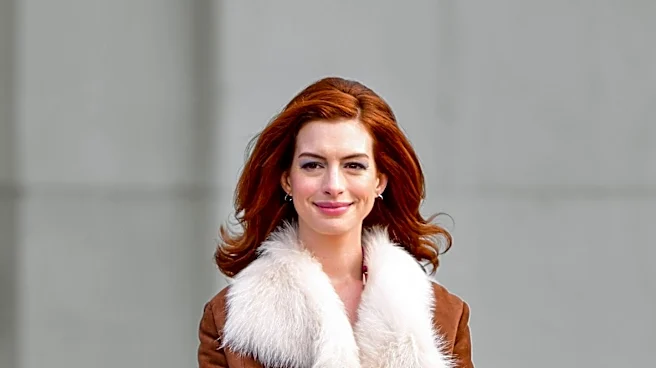
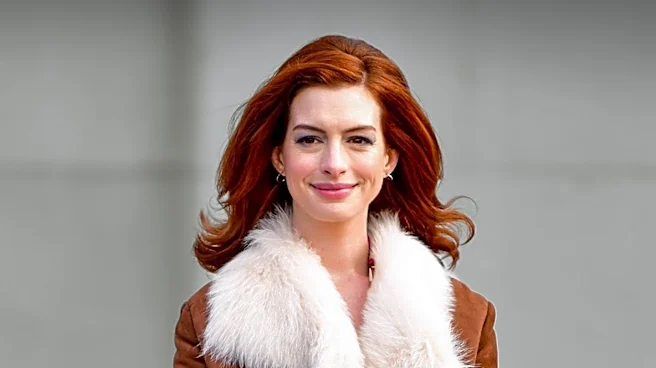
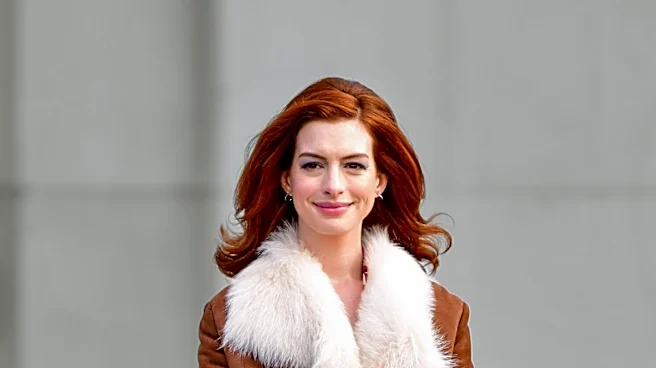
'The Devil Wears Prada 2' has been released on Hulu, bringing back the beloved characters from the original film. The sequel, set 20 years later, focuses on the decline of print media rather than just high fashion. Andy Sachs, played by Anne Hathaway,
reunites with Miranda Priestly and Nigel at 'Runway' magazine, which is struggling with budget cuts and executive challenges. Emily Blunt also returns in a new role, adding to the film's exploration of media industry dynamics. The film's release on streaming platforms highlights the shift in how audiences consume media, reflecting broader industry trends.
Why It's Important?
The film's focus on the challenges faced by print media is timely, as the industry continues to grapple with digital transformation. By highlighting the struggles of 'Runway' magazine, the film mirrors real-world issues faced by traditional media outlets. This narrative is significant as it brings attention to the need for adaptation and innovation within the industry. The film also serves as a cultural commentary on the evolving roles of women in media and fashion, offering insights into the power dynamics and gender roles that shape these sectors. As streaming platforms become the primary mode of content consumption, the film's release strategy underscores the changing landscape of media distribution.
What's Next?
The success of 'The Devil Wears Prada 2' on streaming platforms could pave the way for more films that address contemporary issues in media and fashion. The film's themes may inspire further exploration of the challenges faced by traditional media in the digital age. Additionally, the film's portrayal of gender roles and power dynamics may lead to increased discussions and analyses within academic and professional circles. As the media industry continues to evolve, the film's narrative may serve as a catalyst for change, encouraging innovation and adaptation among media professionals.