




What's Happening?
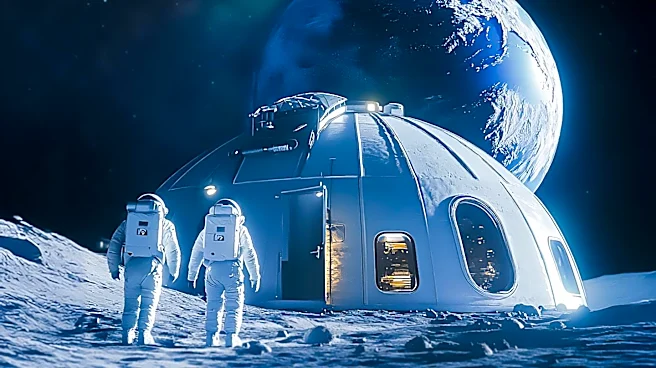
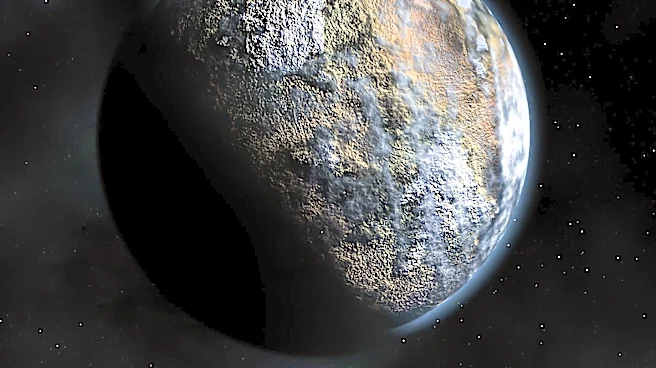
Space: 1999, a sci-fi TV show that aired from 1975 to 1977, is often considered one of the genre's biggest misfires. The show follows the inhabitants of Moonbase Alpha as they journey through space after the Moon is blasted out of Earth's orbit due to a nuclear
explosion. Despite its impressive special effects, the series struggled with scientific credibility and narrative consistency. The first season attempted to deliver profound sci-fi stories, while the second season shifted focus to action, often featuring alien or monster-of-the-week scenarios. These changes led to its cancellation after two seasons.
Why It's Important?
Space: 1999 serves as a case study in the challenges of creating successful sci-fi television. Its struggles highlight the importance of balancing scientific plausibility with engaging storytelling. The show's reception underscores the impact of audience expectations and the influence of contemporary sci-fi trends, such as the popularity of Star Trek during its syndication. Analyzing its shortcomings can provide valuable lessons for future sci-fi productions, emphasizing the need for coherent narratives and credible scientific concepts.
Beyond the Headlines
The show's concept of the Moon traveling through space raises interesting questions about the portrayal of science in media and its influence on public perception. It reflects the era's fascination with space exploration and the desire to imagine humanity's future among the stars. Despite its flaws, Space: 1999 remains a nostalgic piece of sci-fi history, appreciated by some as a guilty pleasure and a reminder of the genre's evolution.