








What's Happening?
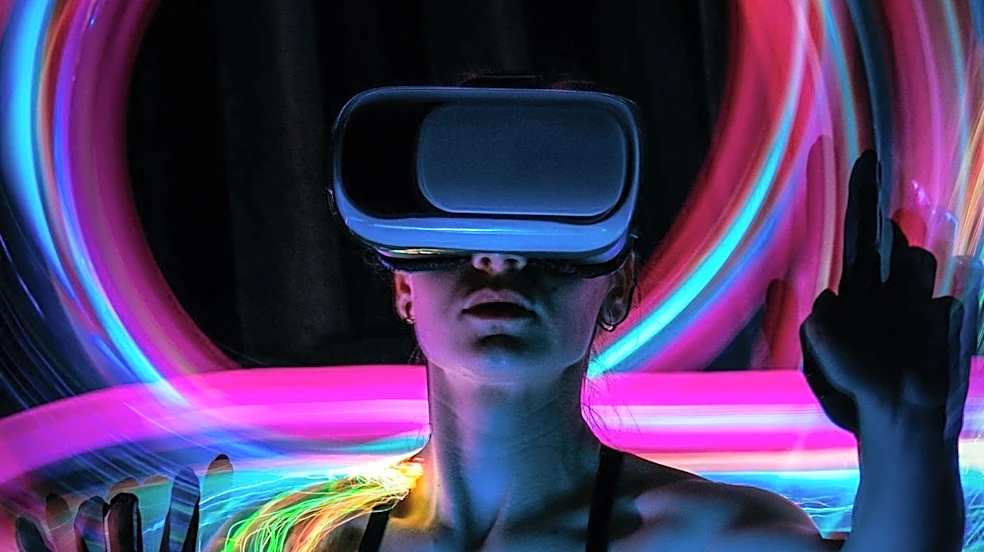
Fashion media outlets are increasingly integrating cutting-edge technologies, particularly Augmented Reality (AR), to boost audience engagement. This shift is driven by a need to offer more immersive and interactive experiences to consumers. AR allows
users to virtually try on clothing, significantly enhancing the online shopping experience. This technological adoption is part of a broader strategy that includes Virtual Reality (VR) for immersive experiences and AI-driven personalization to deliver tailored content. The goal is to foster brand loyalty, drive organic growth, and increase visibility in a competitive digital landscape. By leveraging these innovations, fashion brands aim to create a more dynamic and interactive relationship with their audience, moving beyond traditional visual content to offer practical, engaging tools.
Why It's Important?
The adoption of AR and other advanced technologies by fashion media has significant implications for the U.S. retail and technology sectors. For consumers, it means a more personalized and convenient shopping experience, potentially reducing returns due to better fit visualization. For fashion brands, it offers a powerful tool to differentiate themselves, increase conversion rates, and build stronger customer relationships in the e-commerce space. The increased demand for AR and AI solutions in fashion could also spur innovation and investment in U.S. tech companies specializing in these areas. This trend highlights a broader shift in retail towards experiential marketing and personalized digital interactions, impacting how products are presented, marketed, and ultimately sold across various industries.
What's Next?
The integration of AR and AI in fashion media is expected to continue expanding, with further advancements in virtual try-on capabilities and personalized content delivery. Brands will likely invest more in developing sophisticated AR applications that offer highly realistic virtual experiences, potentially incorporating haptic feedback or more advanced customization options. This could lead to a greater convergence of physical and digital retail, with AR experiences becoming a standard feature in online stores and even in-store environments. Furthermore, the success of these technologies in fashion may encourage other industries, such as home decor or automotive, to explore similar immersive tools for customer engagement and product visualization.
Beyond the Headlines
Beyond the immediate commercial benefits, the widespread adoption of AR in fashion raises interesting questions about consumer behavior and digital identity. As virtual try-on becomes more commonplace, it could influence how individuals perceive and interact with fashion, blurring the lines between physical and digital wardrobes. There are also ethical considerations regarding data privacy and the use of AI for personalization, as these technologies collect extensive user data. Culturally, this trend could accelerate the acceptance of digital fashion and virtual goods, potentially leading to new forms of self-expression and community building within online spaces. The long-term impact could reshape traditional notions of ownership, style, and consumer engagement in the digital age.