





What's Happening?
Bouldering, a form of climbing that focuses on shorter, more technical routes, is gaining recognition for its emphasis on technique, balance, and body positioning rather than the extensive equipment typically associated with traditional climbing. Unlike
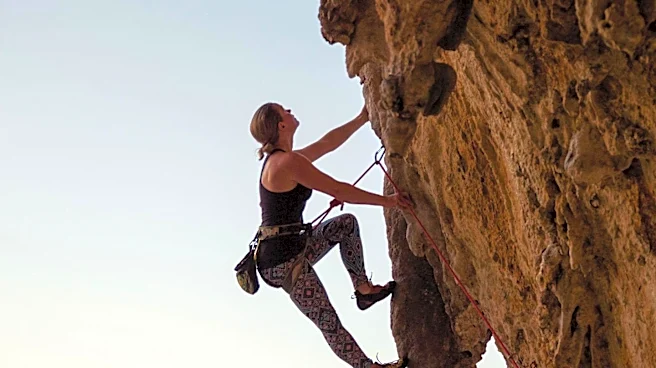
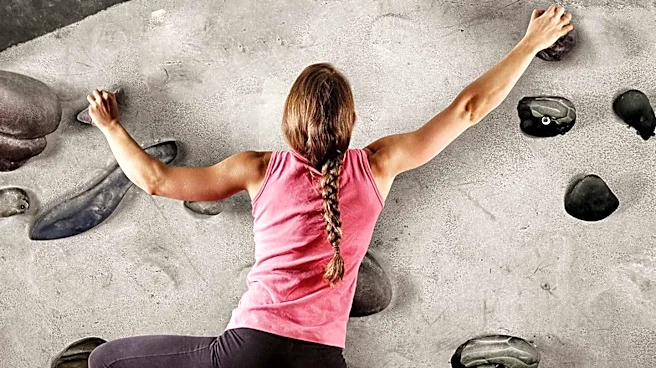
sport climbing or traditional climbing, bouldering does not require ropes, harnesses, or belaying, making it more accessible to beginners. This discipline involves navigating challenging routes, often referred to as 'problems,' that are typically no more than 20 feet high. The sport is characterized by its focus on intricate movements and problem-solving, where climbers must strategically plan their ascent using various holds and body positions. Bouldering can be practiced both indoors at specialized gyms with bouldering walls and outdoors on natural rock formations. The accessibility and the mental and physical benefits contribute to its growing appeal.
Why It's Important?
The increasing popularity of bouldering has significant implications for the fitness and recreational sports industries in the U.S. Its low barrier to entry, both in terms of equipment and initial skill requirements, makes it an attractive alternative to more gear-intensive sports. This accessibility can lead to a broader demographic engaging in climbing activities, potentially boosting the market for climbing gyms, specialized apparel, and bouldering-specific gear. From a public health perspective, bouldering offers a comprehensive workout that improves physical strength, balance, coordination, and mental acuity through problem-solving. This can contribute to a more active lifestyle for individuals seeking engaging and challenging physical activities. The social aspect of bouldering, allowing participants to interact regardless of skill level, also fosters community and can enhance mental well-being, making it a valuable addition to the U.S. recreational landscape.
What's Next?
As bouldering continues to grow in popularity, it is anticipated that more dedicated bouldering gyms and facilities will emerge across the U.S., particularly in urban and suburban areas. These facilities are likely to offer guided sessions and introductory courses to further attract newcomers and ensure safety protocols are understood. The expansion of bouldering-specific events and competitions, such as the 'Beat the Heat' open boulders competition, is also expected, providing platforms for climbers to test their skills and engage with the community. Furthermore, the sport's emphasis on technique and mental engagement may lead to its integration into broader fitness programs and wellness initiatives, potentially attracting partnerships with health organizations and educational institutions. The continued innovation in bouldering wall design and hold manufacturing will also likely enhance the variety and challenge of routes available to climbers.
Beyond the Headlines
Beyond its immediate appeal as a physical activity, bouldering embodies a deeper cultural shift towards experiential and mindful forms of exercise. The sport's focus on problem-solving and concentration offers a mental escape, akin to meditation, which can be particularly beneficial in an increasingly fast-paced society. This aspect contributes to its growing appeal among individuals seeking activities that offer both physical challenge and mental engagement. Ethically, the expansion of outdoor bouldering raises questions about environmental impact and the need for sustainable practices to preserve natural climbing areas. The community-driven nature of bouldering also fosters a sense of camaraderie and mutual support, which can have positive social implications, promoting inclusivity and shared achievement. This blend of physical, mental, and social benefits positions bouldering as more than just a sport, but as a holistic lifestyle choice for many.