



What's Happening?
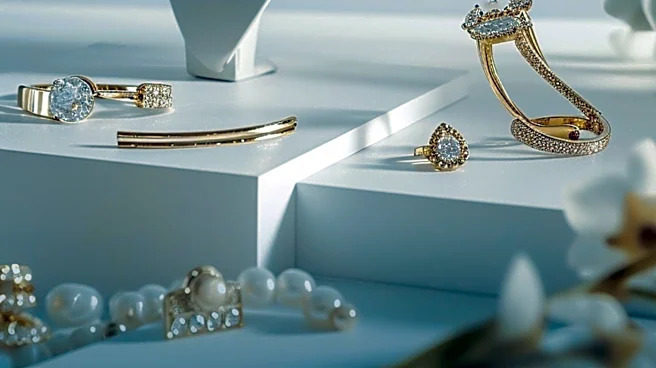
Pandora is advocating for consumers to refresh their jewelry collections by focusing on versatile, timeless pieces rather than fleeting trends. The brand highlights its use of premium materials such as sterling silver and 14-karat gold plating, emphasizing
the durability and attention to detail in its designs. Pandora offers a wide range of jewelry, including necklaces, earrings, rings, and bracelets, with prices starting under $100, positioning its products as accessible luxuries. The company suggests that a jewelry refresh involves replacing worn-out or outdated items with classic yet bold styles that reflect current personal expression. This approach allows individuals to update their accessories while also enhancing existing pieces, such as adding a new band to a ring stack or using a chain-link necklace as a base for charms and pendants.
Why It's Important?
This initiative by Pandora is significant for the U.S. retail jewelry market as it taps into consumer desires for both quality and affordability. By promoting timeless styles, Pandora aims to cultivate long-term customer relationships, encouraging purchases that are seen as investments rather than disposable fashion items. The emphasis on accessible luxury, with prices starting under $100, broadens Pandora's appeal to a wider demographic, potentially increasing market share in a competitive industry. This strategy also counters the fast-fashion trend by advocating for more thoughtful consumption, which could resonate with consumers increasingly interested in sustainability and lasting value. For the industry, it highlights a potential shift towards classic designs and away from rapid trend cycles, influencing how other brands might approach their product development and marketing strategies.
What's Next?
Pandora is likely to continue its marketing efforts around the concept of a 'jewelry refresh,' potentially introducing new collections that align with this theme of versatility and timelessness. Consumers can expect to see ongoing promotions, such as 'buy two get one free' offers, which further incentivize purchases and encourage the building of personal collections. The brand may also explore collaborations or campaigns that showcase how its pieces can be integrated into various personal styles and layered with existing jewelry. Retailers carrying Pandora products will likely adapt their displays and sales pitches to emphasize the longevity and quality of the jewelry, aiming to attract customers looking for durable and meaningful accessories. This focus could also lead to increased engagement with online platforms, where customers can explore styling options and visualize how new pieces complement their current collections.
Beyond the Headlines
The push for a jewelry refresh by Pandora reflects a broader cultural shift towards conscious consumption and personal expression. In an era dominated by rapid fashion cycles, the emphasis on timeless pieces encourages consumers to invest in items that hold personal significance and can be worn for years, rather than discarded after a few seasons. This approach also subtly challenges the notion that luxury must be unattainable, making high-quality materials and craftsmanship accessible to a wider audience. Ethically, it promotes a more sustainable consumption model by encouraging durability and versatility, potentially reducing waste associated with disposable fashion. Culturally, it empowers individuals to use jewelry as a means of self-expression and identity, allowing them to curate collections that evolve with their personal journey rather than being dictated by external trends. This could foster a deeper emotional connection between consumers and their jewelry, transforming it from mere adornment into cherished personal artifacts.