






What's Happening?
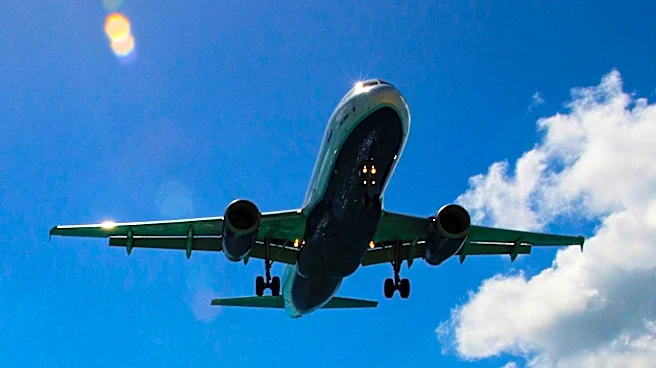
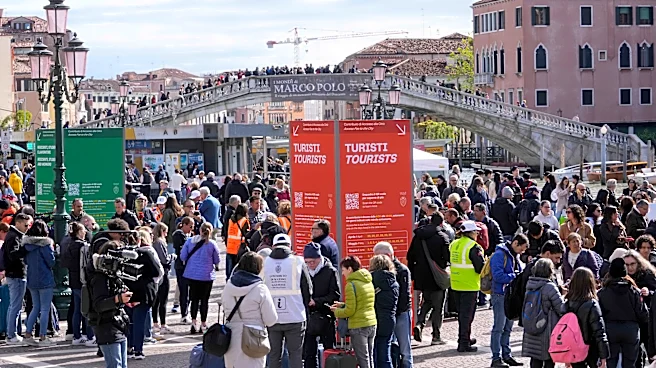
Record heat and crowded conditions are driving a boom in offseason international travel. Airlines and hotels are capitalizing on this trend by extending services into shoulder seasons. Flights to European destinations now start earlier and end later in the
year, with airlines adjusting maintenance and crew schedules to accommodate the demand. This shift is part of a broader strategy to maximize profits amid rising fuel costs.
Why It's Important?
The shift towards offseason travel is reshaping the travel industry's traditional business models. By extending travel seasons, airlines and hotels can better manage resources and stabilize revenue streams. This trend also reflects changing consumer preferences, as travelers seek to avoid peak season crowds and high temperatures. The industry's ability to adapt to these changes will be crucial for long-term sustainability and profitability.
What's Next?
As the trend continues, airlines and hotels may further innovate to attract offseason travelers, potentially leading to new travel packages and experiences. The industry might also see increased investment in infrastructure to support year-round tourism. Policymakers and tourism boards could play a role in promoting offseason travel to balance visitor numbers and reduce environmental impact.