




What's Happening?
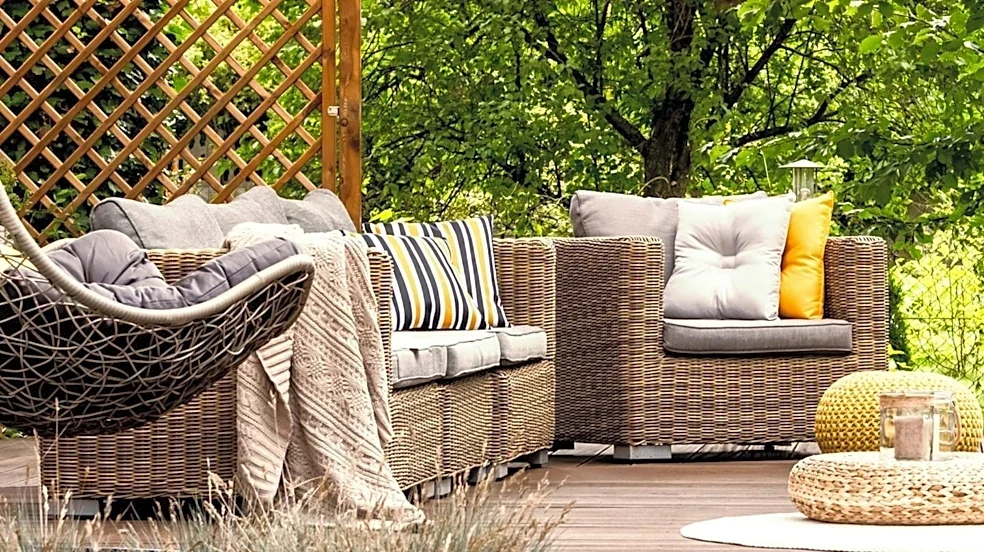
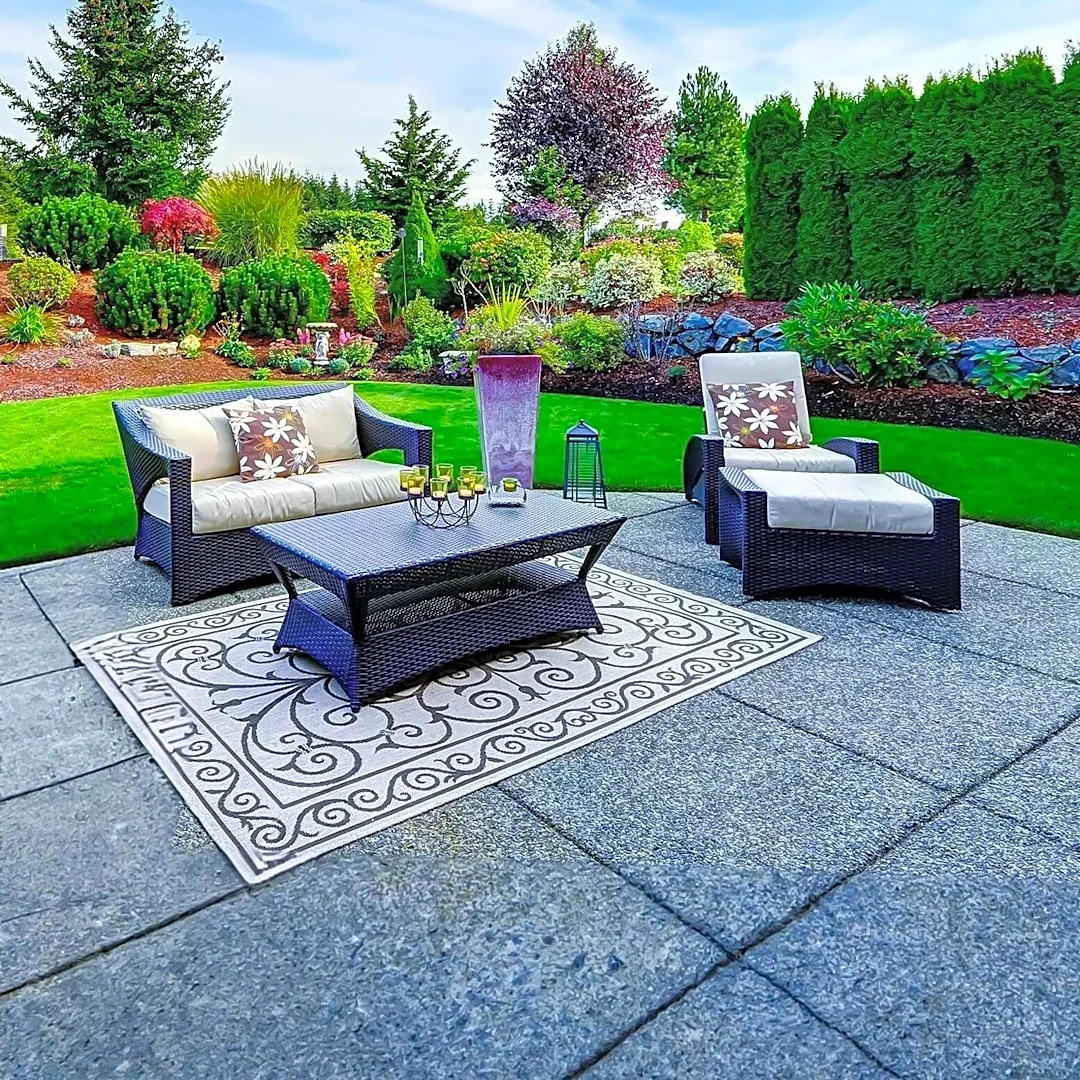
Outdoor living, a long-accepted part of Australian life, is undergoing a significant transformation as homeowners move beyond simply placing a table and chairs on a patio. The new focus is on creating intentional 'outdoor rooms' that are considered, comfortable,
and genuinely usable, rather than being an afterthought. This evolution involves a thoughtful approach to design, taking into account proportions, materiality, and color palettes of outdoor furniture, as well as practical elements like the sun's direction throughout the day. The goal is to create cohesive, well-mapped spaces that maximize both light and shade, fostering a strong connection between the outdoor area and the home. Homeowners are encouraged to first consider how they intend to use the space—whether for morning coffee, entertaining, or long lunches—to ensure the design best accommodates their vision. This purposeful approach helps prevent outdoor areas from becoming neglected and ensures they function as true extensions of the indoor living environment.
Why It's Important?
This shift in Australia's outdoor living culture has significant implications for the country's home design, furniture, and landscaping industries. It signals a growing consumer demand for higher-quality, more durable, and aesthetically integrated outdoor products and services. Businesses that can offer cohesive design solutions, weather-resistant materials, and versatile furniture options are likely to thrive. For homeowners, this trend means a greater investment in their outdoor spaces, leading to increased property value and an enhanced lifestyle. The emphasis on creating functional zones—such as dining, lounging, and cooking areas—within outdoor spaces reflects a desire for homes that offer a seamless indoor-outdoor experience. This evolution also highlights a broader appreciation for thoughtful design and intentional living, where every part of the home, including the exterior, is optimized for comfort and utility. The Australian climate, conducive to outdoor activities, further amplifies the importance of these well-designed external environments.
What's Next?
The trend towards creating purposeful outdoor rooms in Australia is expected to continue, with an increasing demand for integrated design solutions. This will likely lead to further innovation in outdoor furniture and material technology, focusing on durability, weather resistance, and aesthetic appeal. Designers and architects will play a crucial role in helping homeowners conceptualize and execute these sophisticated outdoor spaces, offering tailored solutions that blend seamlessly with the home's overall aesthetic. We may see a rise in specialized outdoor living consultants and services that provide comprehensive design, installation, and furnishing packages. Additionally, the market for outdoor accessories, such as weather-resistant cushions, lighting, and decorative elements, will likely expand as homeowners seek to bring the comfort and style of indoors to their outdoor rooms. The focus will remain on creating versatile, multi-functional spaces that can adapt to different activities and weather conditions, ensuring year-round enjoyment.
Beyond the Headlines
The transformation of Australian outdoor spaces into 'outdoor rooms' reflects a deeper cultural value placed on leisure, connection with nature, and social gatherings. It signifies a desire to maximize the utility and enjoyment of one's property, blurring the lines between traditional indoor and outdoor living. This trend also speaks to a growing consciousness about design and aesthetics, where even external areas are meticulously planned to reflect personal style and enhance the overall living experience. Environmentally, it could encourage the use of sustainable materials and native plantings that thrive in the local climate. Socially, these well-designed outdoor spaces foster community and family interaction, providing inviting settings for shared experiences. The emphasis on comfort and usability suggests a lifestyle that prioritizes relaxation and enjoyment, making the home a true sanctuary that extends beyond its four walls. This evolution underscores a broader shift towards holistic living, where the entire property contributes to well-being and quality of life.