





What's Happening?
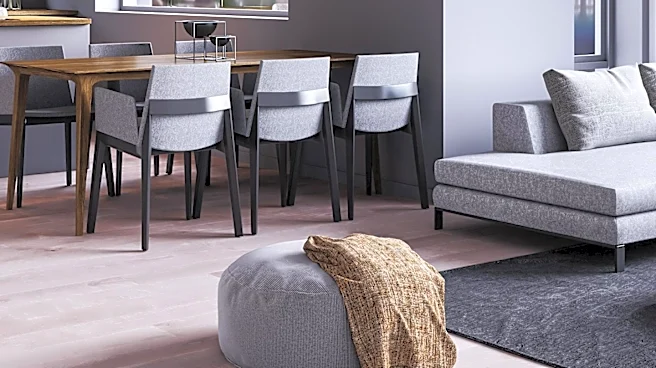
Open-concept living spaces, while remaining popular in U.S. home design, are undergoing a significant evolution. Modern trends are moving away from undifferentiated large rooms towards connected spaces with clear, defined zones. This is achieved through
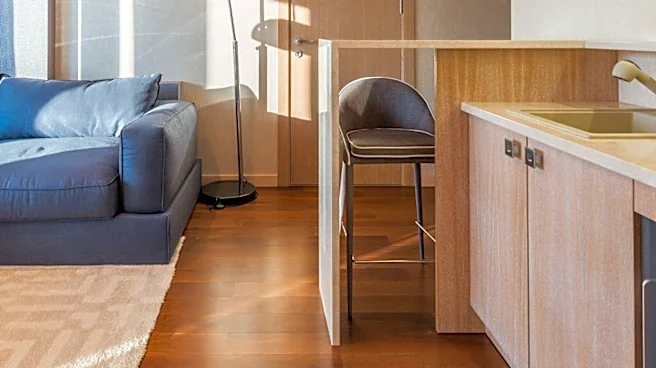
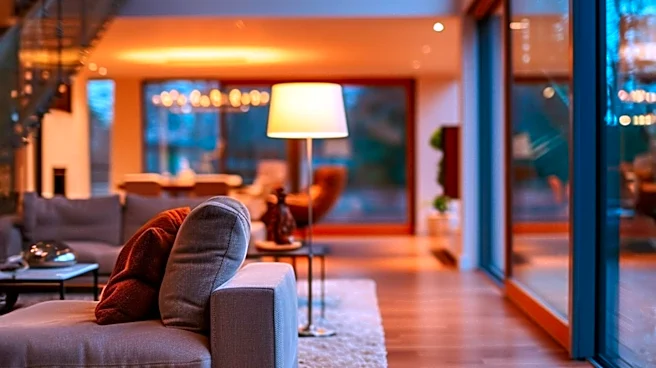
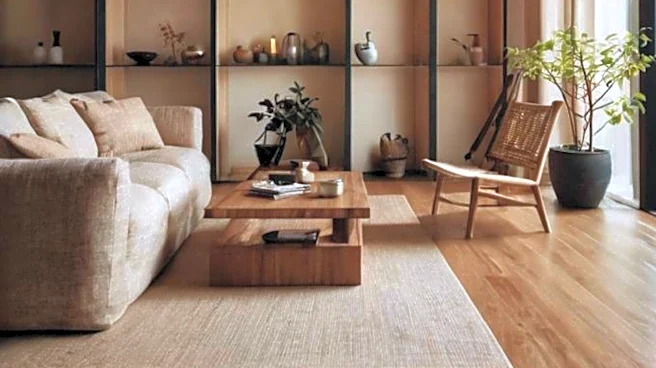
design elements such as ceiling details, strategic island placement, built-ins, furniture walls, or changes in flooring, which help establish distinct areas within an open layout. This approach aims to preserve the social benefits of open plans while introducing a sense of order and purpose to each area. Furthermore, privacy is re-emerging as a key priority in home design. Homeowners are seeking to separate private rooms, particularly bedrooms, from high-traffic entertaining areas. This is often accomplished by incorporating bedroom wings, short hallways, or transition zones, or by placing secondary bedrooms on a different floor in multi-story homes. The goal is to create quieter sleeping environments and ensure comfort for residents when guests are present, reflecting a shift towards more thoughtful and functional floor plans.
Why It's Important?
This evolution in open-concept living is important for the U.S. housing market and homeowners as it addresses practical challenges associated with fully open layouts. The introduction of defined zones within open spaces enhances functionality, allowing for better organization and a clearer sense of purpose for different areas like the kitchen, dining, and living rooms. This can improve daily routines and make homes more adaptable to various activities, from family gatherings to individual work or relaxation. The renewed emphasis on privacy is particularly significant, as it directly impacts the comfort and well-being of residents. By strategically separating private and public areas, homes can offer both communal interaction and personal retreat, catering to diverse household needs. This trend influences architectural design, interior decorating, and the overall livability of new constructions and remodeled homes across the country, potentially increasing their long-term appeal and value.
What's Next?
Looking ahead, the U.S. housing market will likely see continued innovation in how open-concept spaces are designed and utilized. Builders and designers are expected to further refine techniques for creating distinct zones within open layouts, potentially incorporating more flexible and multi-functional elements. This could include modular furniture systems, movable partitions, or integrated smart home technologies that allow for dynamic space reconfiguration. The focus on privacy will also drive demand for floor plans that offer clear separation between public and private areas, influencing the layout of bedrooms, bathrooms, and quiet zones. Homebuyers will increasingly seek homes that balance social interaction with personal space, leading to a greater emphasis on thoughtful circulation paths and soundproofing solutions. This trend may also encourage the development of more adaptable rooms that can serve multiple purposes over time, such as a home office that can convert into a guest room or hobby space, reflecting the evolving needs of modern households.
Beyond the Headlines
Beyond the immediate design implications, this shift in open-concept living reflects broader societal changes and evolving lifestyle preferences in the U.S. The desire for defined zones and increased privacy suggests a growing need for personal boundaries and dedicated spaces for different activities, especially in an era where remote work and home-based education are more prevalent. This evolution moves beyond purely aesthetic considerations, highlighting a deeper understanding of how physical spaces impact mental well-being and productivity. It also underscores a move towards more sustainable and adaptable home designs, where spaces are not just visually appealing but also highly functional and capable of evolving with a family's changing needs. This could lead to a re-evaluation of what constitutes a 'modern' home, prioritizing thoughtful design and livability over sheer openness, and potentially influencing future urban planning and community development to support diverse living arrangements.