
What's Happening?
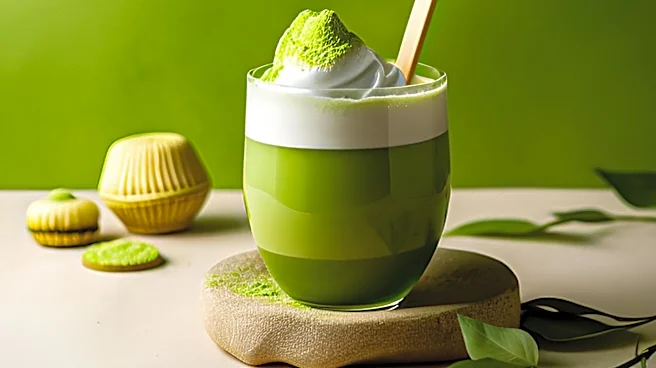
Matcha continues to be a significant trend in the beverage and culinary markets, with Google Trends data indicating a 1300% increase in searches for 'how to make matcha' in the past year. This sustained
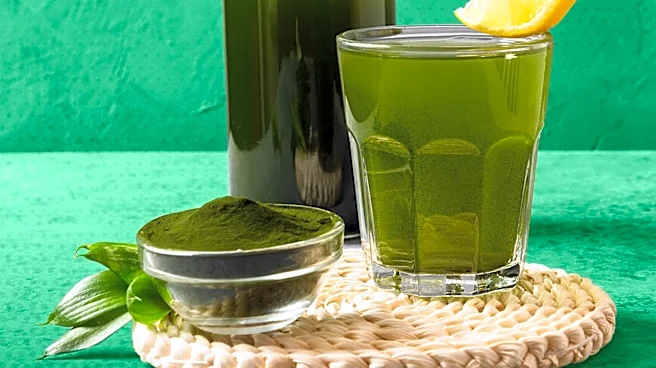
interest extends beyond drinks, influencing makeup and skincare, and driving demand for Japanese-inspired brewing equipment like whisks and bowls. The focus on matcha's health benefits, with a 1000% increase in 'matcha health' searches, highlights its integration into wellness routines. Despite some skepticism about its taste, often described as earthy or grassy, establishments are incorporating matcha into diverse offerings. For instance, Hotel ICON's GREEN restaurant in Hong Kong features a Japanese Matcha Essence Afternoon Tea with Uji, Shizuoka, and Kagoshima matcha delicacies. Similarly, The Blue Warbler in Chestnut Hill offers a seasonal crème brûlée with matcha as a flavor variation. This widespread adoption demonstrates matcha's firm establishment in modern consumer preferences, even as new alternatives like hōjicha and ube begin to emerge.
Why It's Important?
The enduring popularity of matcha signifies a broader shift in consumer preferences towards wellness-oriented and globally inspired food and beverage options within the U.S. market. The demand for matcha-related products, from ceremonial-grade teas to skincare, creates significant opportunities for businesses in various sectors, including hospitality, retail, and health and beauty. The rise of specialized matcha bars and its inclusion in high-end restaurant menus, such as Hotel ICON's afternoon tea, indicates a premium market segment willing to pay for unique and health-conscious experiences. This trend also impacts supply chains, as evidenced by past global shortages of tencha leaves, highlighting the need for sustainable sourcing and production. Furthermore, the emergence of new alternatives like hōjicha and ube suggests a dynamic and evolving market where consumers are continuously seeking novel flavors and ingredients, pushing businesses to innovate and diversify their offerings to remain competitive. The integration of matcha into daily rituals also reflects a cultural shift towards mindful consumption and self-care.
What's Next?
The sustained interest in matcha suggests continued innovation in product development and market expansion. Businesses are likely to further explore matcha's versatility, incorporating it into more food categories beyond beverages and desserts, potentially extending to savory dishes or functional foods. The growing demand for at-home brewing sets indicates a market for specialized kitchenware and educational content on matcha preparation. As new alternatives like hōjicha and ube gain traction, the beverage market will likely see increased competition and diversification. This could lead to a 'renaissance' for other unique tea varieties and global ingredients, prompting cafes and restaurants to broaden their menus. Consumers can expect to see more establishments offering a wider array of specialty drinks and culinary experiences, catering to an increasingly adventurous and health-conscious palate. The focus on wellness will also drive further research and marketing around the health benefits of these ingredients, influencing consumer choices and product positioning.
Beyond the Headlines
The matcha phenomenon extends beyond a mere beverage trend, reflecting deeper cultural and lifestyle shifts. Its integration into daily rituals and wellness routines highlights a growing consumer desire for products that offer both sensory pleasure and perceived health benefits. The emphasis on 'ceremonial grade' matcha and specialized brewing equipment points to a romanticization of traditional practices and a search for authenticity in consumption. This trend also underscores the influence of social media, where the aesthetic appeal of matcha lattes contributes to their popularity and drives consumer engagement. The skepticism surrounding matcha's taste, despite its widespread adoption, reveals a tension between perceived health benefits, social trends, and individual taste preferences. This dynamic suggests that while trends can drive initial adoption, long-term success depends on a combination of genuine appeal, effective marketing, and continuous innovation to overcome taste barriers and cater to diverse palates. The rise of hōjicha and ube further illustrates a broader cultural openness to exploring and adopting global culinary traditions.