






What's Happening?
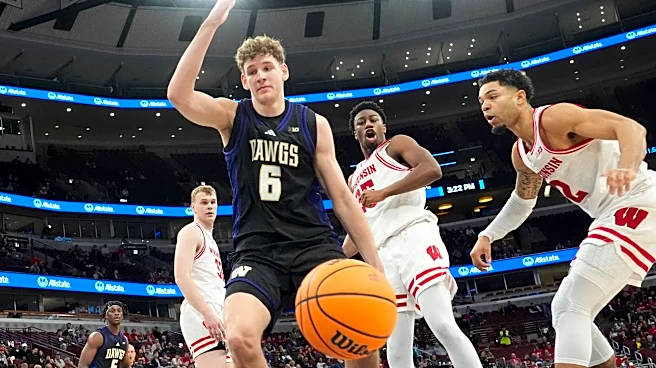
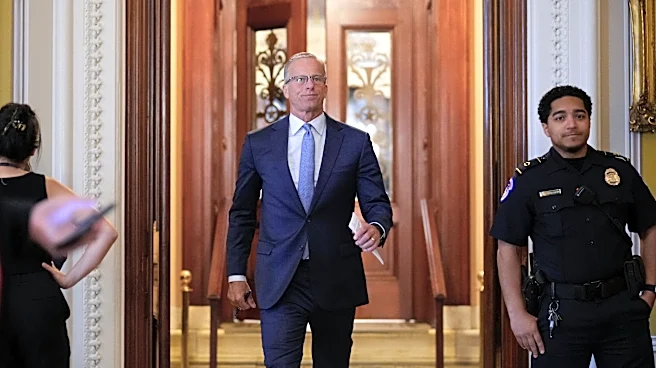
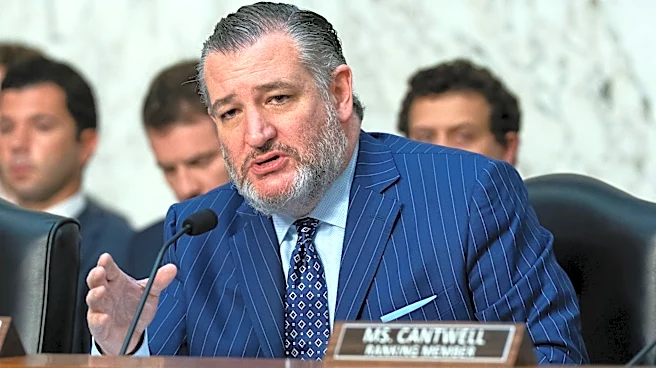
The National Football League (NFL) and the NFL Players Association (NFLPA) have expressed their support for the 'Protect College Sports Act' as it progresses through the Senate. This legislation, introduced by Senators Ted Cruz, Maria Cantwell, Eric Schmitt,
and Chris Coons, aims to stabilize and enhance collegiate athletics in the United States. The NFL issued a statement commending the bipartisan effort, highlighting the importance of healthy and thriving collegiate sports for the future of American athletics, including Olympic sports. The act proposes using models like the voluntary pooling of media rights, similar to the Sports Broadcasting Act, to ensure broad distribution of college games. The NFLPA, along with the NBA Players Association, also conveyed their support through a letter to the bill's sponsors. Despite this backing, the NCAA and its members are criticized for their historical antitrust violations, which have contributed to the current challenges in college sports.
Why It's Important?
The endorsement of the 'Protect College Sports Act' by major sports organizations like the NFL and NFLPA underscores the critical role of collegiate athletics in the broader sports ecosystem. This legislation could significantly impact how college sports are managed and funded, potentially leading to more equitable distribution of resources and opportunities for athletes. The act's focus on media rights could enhance the visibility and accessibility of college sports, benefiting fans and athletes alike. However, the ongoing issues with the NCAA's past practices highlight the complexities involved in reforming college sports. The act's success could set a precedent for addressing similar challenges in other sports sectors, influencing policy and governance in athletics.
What's Next?
As the 'Protect College Sports Act' moves through the legislative process, further discussions and negotiations are expected among lawmakers, sports organizations, and educational institutions. The NFL and NFLPA's involvement may encourage other stakeholders to engage in the dialogue, potentially leading to amendments or additional provisions in the bill. The NCAA and its member institutions will likely face increased scrutiny and pressure to address their historical antitrust issues. The outcome of this legislative effort could prompt broader reforms in college sports governance, impacting how collegiate athletics are structured and funded in the future.